
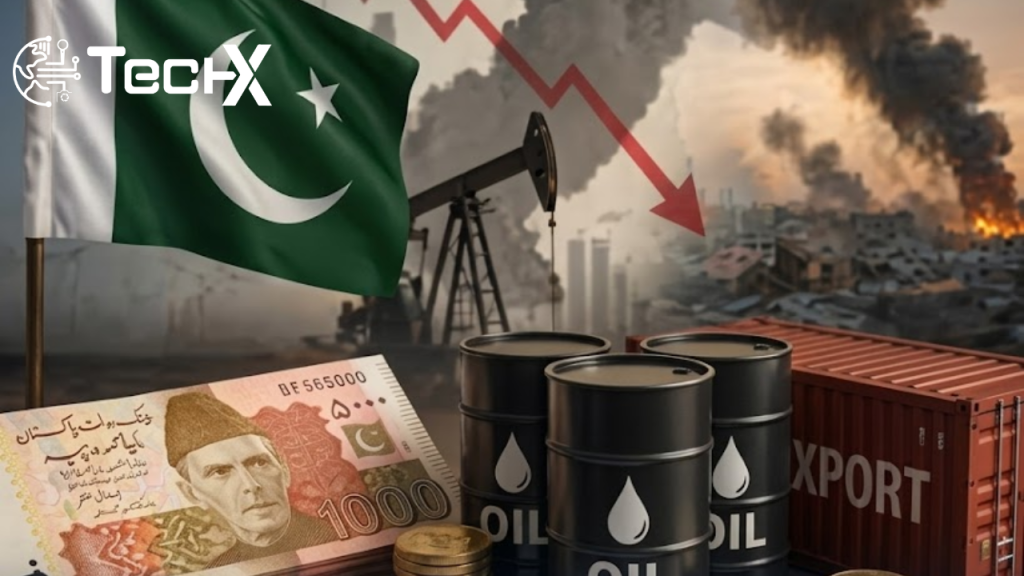
Recent economic assessments suggest that a prolonged conflict in the Middle East could have significant implications for Pakistan’s economy. According to various analytical reports, the estimated annual impact on Pakistan could range between $10 billion to $68 billion, depending on the severity and duration of the situation.
Impact on Energy and Oil Imports
Pakistan is heavily dependent on imported oil, and any instability in the Middle East directly affects global oil prices. In a severe conflict scenario, rising crude oil prices could significantly increase Pakistan’s import bill, placing additional pressure on foreign exchange reserves and overall economic stability.
Effect on Remittances
One of the key concerns highlighted in reports is the potential impact on overseas remittances, especially from Gulf countries. A regional conflict could disrupt employment and income flows for Pakistani workers abroad, reducing remittance inflows, which are a critical source of foreign currency for the country.
Trade and Export Challenges
Pakistan’s trade routes and export activities could also face disruptions in case of regional instability. Increased shipping costs, delays, and higher insurance premiums may reduce competitiveness in international markets, affecting export revenues.
Inflation and Economic Pressure
In a worst-case scenario, rising energy costs and supply chain disruptions could lead to higher inflation levels in Pakistan. Some projections suggest inflation could rise significantly, further affecting household purchasing power and economic growth.
Conclusion
In conclusion, while the estimated economic impact varies depending on different scenarios, a Middle East conflict could pose serious risks to Pakistan’s economy. The projected range of $10 billion to $68 billion annually reflects potential outcomes based on global oil prices, trade disruptions, and remittance flows.