
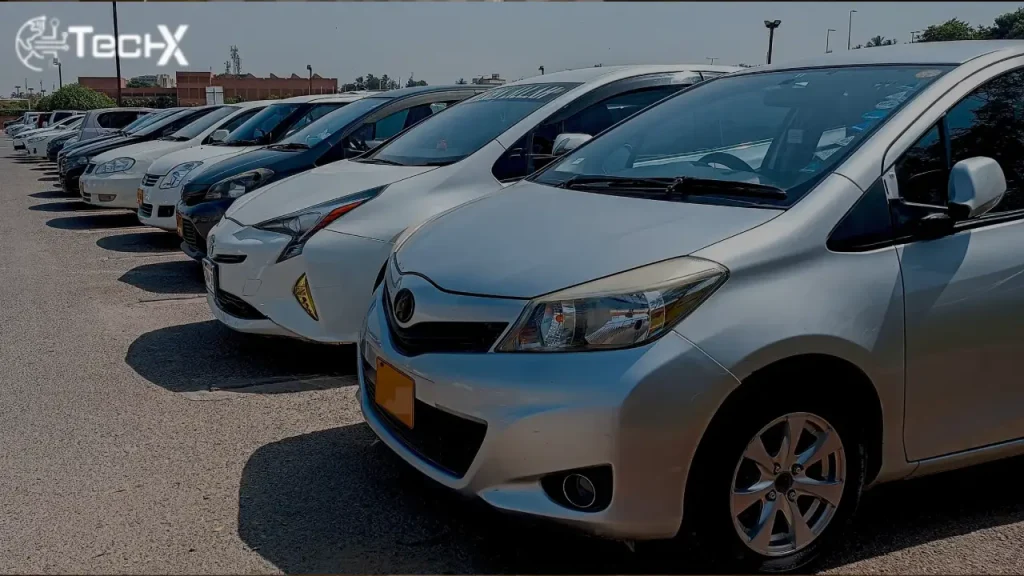
Luxury cars in Pakistan are set to become more expensive following Budget 2025-26. The federal government intends to raise advance taxes on premium vehicles to boost revenue and reduce imports of fuel-guzzling cars. This decision aligns with broader economic reforms aimed at stabilizing the economy while discouraging non-essential imports.
Shift from Fixed Tax Rates to Value-Based Taxation
Last year, Pakistan transitioned from fixed tax rates to a value-based taxation model for luxury vehicles. Instead of engine size, taxes are now calculated based on the vehicle’s price. The upcoming budget will expand this policy, reclassifying smaller-engine models as luxury cars. This adjustment ensures higher taxes on expensive imports, regardless of engine capacity.
FBR Reports Rs4 Billion in Vehicle Tax Collections
The Federal Board of Revenue (FBR) collected over Rs4 billion in withholding taxes from vehicles in 2024. With revised tax brackets, the government expects even higher revenue in 2025-26. The move targets affluent buyers while generating funds for public projects. However, critics argue it may dampen demand for high-end cars, affecting the automotive market.
Also Read: Finance Minister Leads Strategy Meeting on Pakistan Digital Economy
Incentives for Eco-Friendly Vehicles Remain Unchanged
While luxury cars face higher taxes, the government continues to support eco-friendly vehicles. Reduced sales tax rates for locally assembled hybrid electric vehicles (HEVs) will remain until June 2026. This policy encourages sustainable transportation without burdening environmentally conscious consumers. HEVs below 1,800cc are taxed at 8.5%, while larger models face 12.75%.
Impact on the Automotive Industry
The new tax measures may slow luxury car sales, impacting dealerships and importers. Industry experts warn that higher prices could push buyers toward used or locally manufactured vehicles. However, the policy may also stimulate domestic production if automakers adapt to demand for affordable, fuel-efficient models. The long-term effects on Pakistan’s auto sector remain uncertain.
Conclusion: Balancing Revenue and Consumer Demand
The 2025-26 budget aims to strengthen Pakistan’s economy by taxing luxury imports while promoting green vehicles. While high-end car buyers will face steeper costs, incentives for hybrids offer a sustainable alternative. The success of these measures depends on implementation and market response, shaping the future of Pakistan’s automotive landscape.