
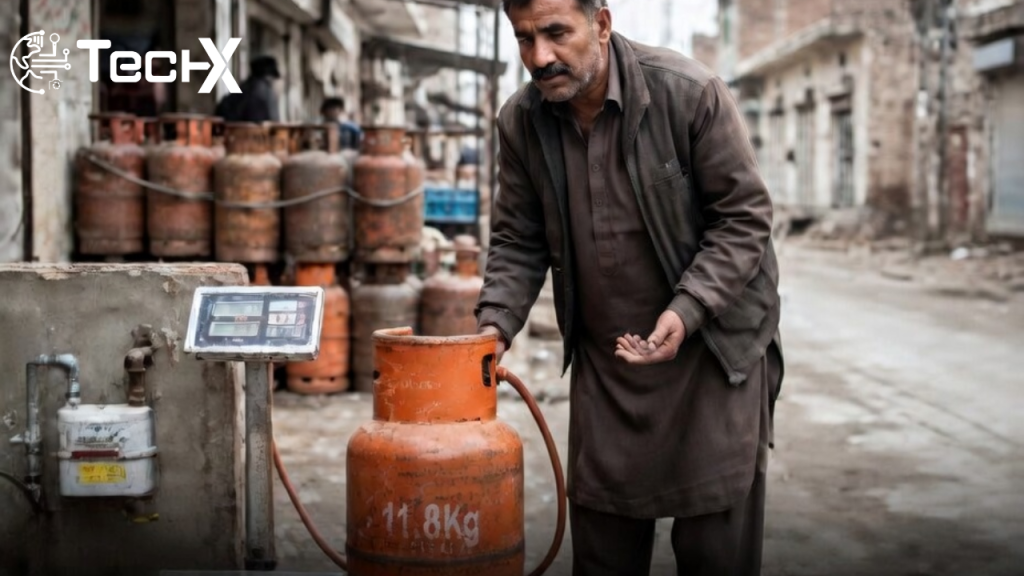
The government of Pakistan has increased LPG (cooking gas) prices effective from April 1, 2026. The decision comes amid rising international import costs and global market volatility, which have put pressure on domestic energy pricing.
Price Hike Details
According to the Oil and Gas Regulatory Authority (OGRA), the LPG price has risen by Rs 78.28 per kilogram, bringing the retail maximum price to Rs 304.12 per kg. This is a significant increase compared to previous rates and affects households nationwide.
Impact on Domestic Cylinders
The standard 11.8 kg domestic LPG cylinder will now cost approximately Rs 3,588–3,589, reflecting an increase of around Rs 923–924 per cylinder. This sharp rise will directly impact daily household expenses, especially for low- and middle-income families.
Reasons Behind the Price Increase
Officials cited higher global LPG import costs, international supply shortages, and currency fluctuations as the primary factors behind the price hike. These external pressures have made it difficult to maintain the previous domestic rates without passing part of the cost to consumers.
Government Measures and Subsidy Plans
While prices have increased, the government is exploring targeted subsidy mechanisms to help vulnerable groups manage the financial burden. This includes households in lower-income brackets and small businesses that rely heavily on cooking gas.
Effect on Households and Businesses
The rise in LPG prices is expected to increase monthly household expenses and operational costs for small-scale food and catering businesses. Analysts warn that this may also influence the cost of cooked food and related services in the short term.
Conclusion: Balancing Costs and Consumer Support
The LPG price adjustment reflects the government’s attempt to balance fiscal sustainability with consumer protection. While the hike addresses external cost pressures, ongoing subsidy support aims to prevent excessive hardship for those most affected by the increase.