
A severe rainstorm struck Karachi on Friday, bringing thunder, lightning, and heavy downpours that disrupted daily life. The sudden rainfall caused extensive power outages as over 300 K-Electric feeders tripped, leaving large parts of the city without electricity. Residents faced immense difficulties as streets flooded and traffic came to a standstill, highlighting the city’s poor infrastructure.
Rainfall Reported Across Multiple Areas
The rain affected numerous neighborhoods, including Gulshan-e-Maymar, Gulshan-e-Hadeed, Malir, and Steel Town. Other areas such as Gulistan-e-Jauhar, Super Highway, North Karachi, and Surjani Town also experienced heavy showers. Key commercial and residential zones like Tariq Road, Azizabad, and University Road were inundated, disrupting businesses and daily commutes.
Waterlogging and Traffic Disruptions Worsen Situation
As the rain intensified, low-lying areas suffered severe waterlogging, submerging streets and service lanes. Major roads became impassable, leading to massive traffic jams across the city. Motorists and pedestrians struggled to navigate flooded pathways, while emergency services faced delays in reaching affected locations. The inadequate drainage system exacerbated the crisis, leaving residents stranded.
Massive Power Outages Hit Key Districts
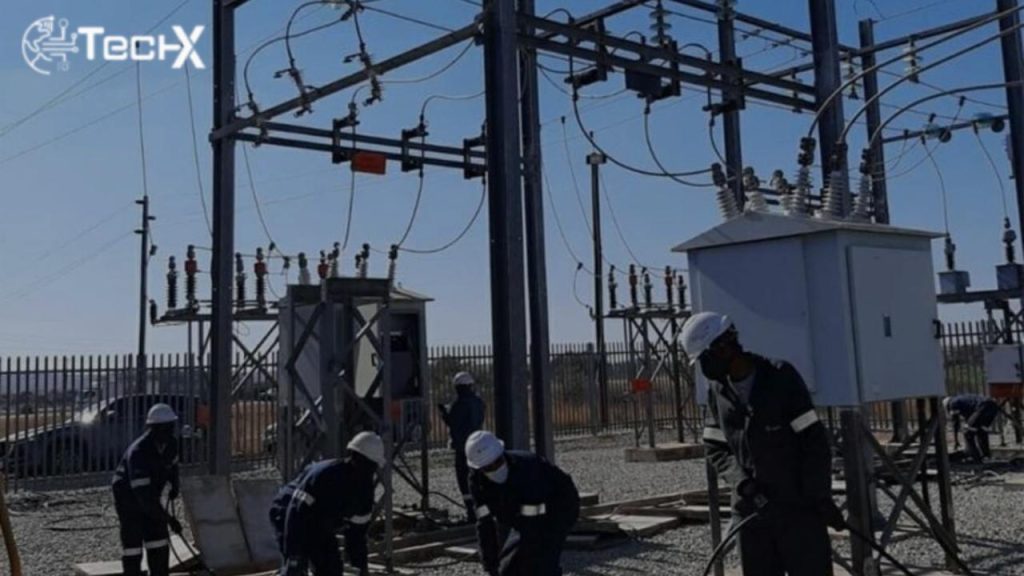
The tripping of over 300 power feeders caused prolonged blackouts in North Nazimabad, Moosa Colony, Shadman, and Federal B Area. Many residents were left without electricity during peak hours, disrupting work and studies. K-Electric teams worked to restore supply, but the scale of the outages delayed recovery efforts, sparking public frustration over recurring power failures.
Also Read: From Karachi to the USA: The Inspiring Journey of Ali Sheikhani
Electric Shock Incidents Reported Amid Flooding
Rescue officials confirmed multiple cases of electric shocks due to exposed wires in flooded areas. Several individuals sustained injuries after coming into contact with live electricity sources. Authorities issued warnings, advising citizens to avoid touching electrical equipment and stay indoors. The incidents raised concerns over the poor maintenance of power infrastructure in flood-prone zones.
Mayor Takes Emergency Measures
Karachi Mayor Murtaza Wahab canceled municipal staff leave and ordered emergency response teams to remain on high alert. He inspected heavily affected areas and directed immediate drainage and restoration efforts. The mayor assured residents of swift action but acknowledged the challenges posed by the city’s outdated infrastructure, urging cooperation from utility providers.
More Rain Predicted, Authorities Urge Caution
Meteorological departments warned of additional rainfall in the coming days, urging residents to prepare for further disruptions. Citizens were advised to avoid unnecessary travel and report emergencies promptly. The recurring flooding and power failures have reignited debates over Karachi’s inadequate urban planning and disaster preparedness.
Calls for Infrastructure Upgrades Grow Louder
The latest rain crisis has intensified demands for long-term solutions to Karachi’s drainage and electricity problems. Experts emphasize the need for upgraded infrastructure to withstand extreme weather. Without significant improvements, the city remains vulnerable to similar disasters, leaving millions at risk during monsoon seasons.
Conclusion: A City in Need of Sustainable Solutions
Karachi’s latest rain-induced chaos underscores the urgent need for infrastructure reforms. While emergency measures provide temporary relief, lasting solutions are essential to prevent recurring crises. Authorities must prioritize urban planning and utility upgrades to safeguard residents from future weather-related disruptions. Until then, Karachi remains at the mercy of the monsoon.