
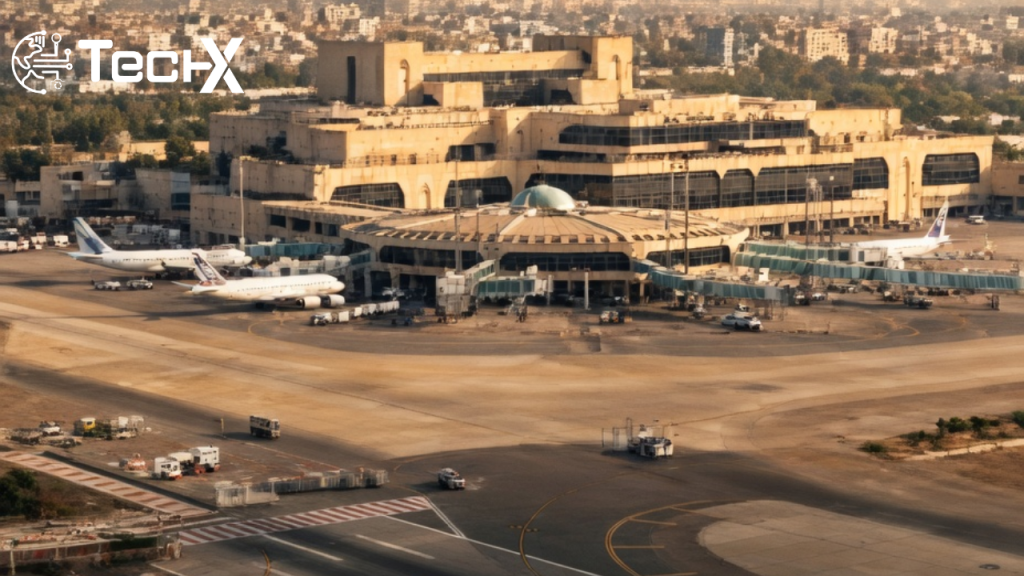
a massive Rs. 100 billion expansion plan for Karachi’s Jinnah International Airport (JIAP) has been finalized to address the rapidly increasing passenger traffic. As Pakistan’s busiest aviation gateway, the airport has reportedly been operating near its maximum capacity for years. This mega project is designed to transform the facility into a world-class hub, ensuring it can handle the growing travel demands of the next several decades while improving the overall passenger experience.
New Terminal and Terminal Extensions
The ambitious project reportedly includes a comprehensive overhaul of the existing infrastructure along with the construction of entirely new facilities:
-
Terminal Extensions: Both the International and Domestic terminals will reportedly be extended to accommodate more gates and larger lounge areas.
-
New Terminal Building: A completely new, state-of-the-art terminal is reportedly part of the blueprint to serve as the backbone of the airport’s future operations.
-
Modernized Check-in: Reportedly, the plan features automated baggage handling systems and increased immigration counters to reduce wait times.
Development of a Modern Cargo Village
Beyond passenger services, the expansion reportedly places a heavy emphasis on trade and logistics. The Pakistan Airports Authority (PAA) has reportedly finalized plans for a modern “Cargo Village.” This facility will reportedly include specialized cold storage, high-tech scanning systems, and dedicated cargo aprons. These upgrades are reportedly expected to significantly increase Karachi’s operational efficiency in handling international trade, making JIAP a more attractive destination for global cargo carriers.
Future-Ready Infrastructure and Design
Reportedly, the design phase of the project has already been accelerated by the Pakistan Airports Authority. The new infrastructure will reportedly incorporate sustainable “green” energy solutions and smart airport technology. This future-ready approach is reportedly aimed at meeting international aviation standards, ensuring that Karachi remains a competitive player in the regional aviation market against other major hubs in the Middle East and South Asia.
Economic Impact and Job Creation
-
Direct Investment: The Rs. 100 billion investment is reportedly one of the largest in Pakistan’s aviation history.
-
Employment: Thousands of jobs are reportedly expected to be created during the construction phase, with even more long-term positions opening up in ground handling, retail, and security once the expansion is complete.
-
Trade Boost: By improving cargo facilities, the project will reportedly provide a direct boost to Pakistan’s exports and the local economy of Karachi.
Timelines and Groundwork Execution
According to official sources, the groundwork for the expansion has already begun. The Pakistan Airports Authority has reportedly directed teams to finalize the architectural designs by mid-2026. Reportedly, the project will be executed in phases to ensure that current airport operations are not disrupted. This phased approach will reportedly allow the airport to gradually increase its capacity while the major construction of the new terminal continues in parallel.
Strategic Vision for Jinnah International Airport
Analysts suggest that this expansion is a vital component of Pakistan’s broader economic vision for 2026 and beyond. Reportedly, the goal is to reposition Jinnah International Airport as a preferred transit point for flights between Europe, Africa, and Asia. By investing in modern facilities and expanding capacity, Pakistan is reportedly signaling its readiness to host increased international investment and tourism, starting from its most iconic city Karachi.