
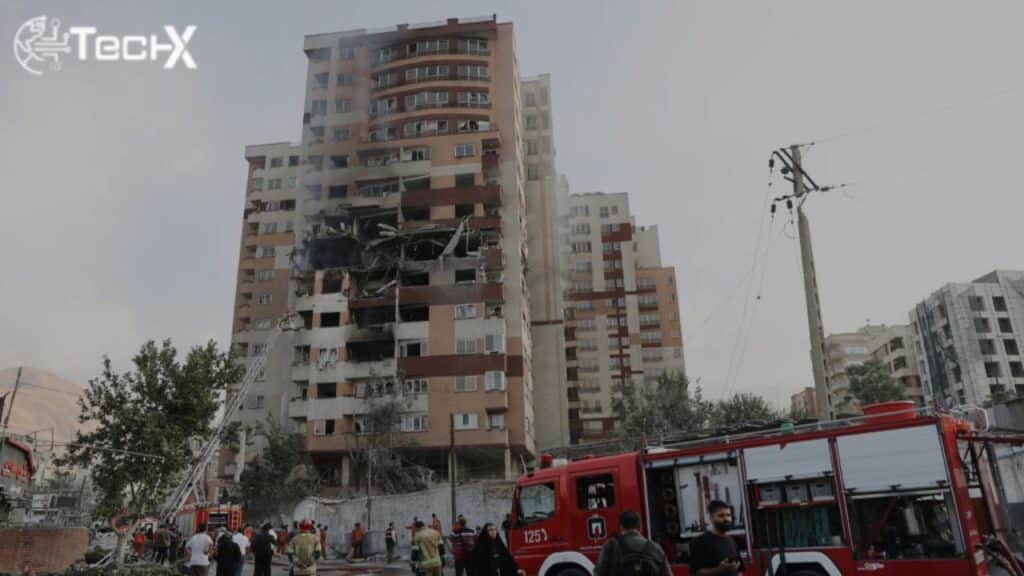
Israel launched a massive wave of attacks across Iran on Thursday night, targeting nuclear facilities, missile sites, and high-ranking military officials. The strikes, involving over 200 fighter jets, mark a significant escalation in tensions between the two nations. The U.S. distanced itself from the operation, though it was reportedly aware of Israel’s plans beforehand. Iran swiftly retaliated with over 100 drones.
Key Targets: Nuclear Sites and Military Leaders
The Israeli operation focused on dismantling Iran’s nuclear and ballistic missile capabilities. Among the casualties were top Iranian generals, including IRGC commander Gen. Hossein Salami and military chief of staff Gen. Mohammad Bagheri. Two senior nuclear scientists were also killed. Iranian state media showed images of smoke rising from bombed sites, while Supreme Leader Khamenei vowed harsh retaliation.
U.S. Response and Trump’s Opposition
President Trump publicly opposed the strikes, expressing hope for renewed nuclear negotiations. However, he confirmed the U.S. was informed in advance but not militarily involved. Secretary of State Marco Rubio emphasized protecting American forces in the region, warning Iran against targeting U.S. interests. The White House scheduled an emergency NSC meeting following the attack.
Also Read: Tragedy in Ahmedabad: Air India Boeing 787 Crashes Near Airport, 242 Feared Dead
Iran’s Retaliation and Regional Tensions
Iran immediately launched drone strikes toward Israel, prompting Israel to declare a state of emergency. Defense Minister Israel Katz warned citizens to expect further attacks, leading to school and workplace closures. Iran also suspended flights from Tehran’s airport, while Israel shut its airspace and relocated political leaders to secure locations.
Strategic Justification for the Strikes
An IDF official stated that Israel acted due to intelligence suggesting Iran was nearing nuclear weapons capability. Prime Minister Netanyahu claimed the operation was necessary to eliminate Iran’s advancing nuclear and missile programs. The U.S. and allies, however, have not confirmed Iran’s alleged nuclear weapons pursuit.
Broader Implications for Middle East Stability
The attack has plunged the region into heightened conflict, with fears of prolonged warfare. Israel expects continued Iranian retaliation, while the U.S. prepares to defend its regional assets. Diplomatic efforts, including planned U.S.-Iran talks, now appear futile. The situation remains volatile, with global powers monitoring for further escalation.
What Comes Next?
Iran has threatened to strike U.S. bases in response, prompting American forces to reinforce defenses and evacuate personnel from high-risk areas. Israel remains on high alert, with Netanyahu vowing to continue operations “as long as it takes.” The world watches anxiously as the crisis unfolds, with potential ramifications for global security.