
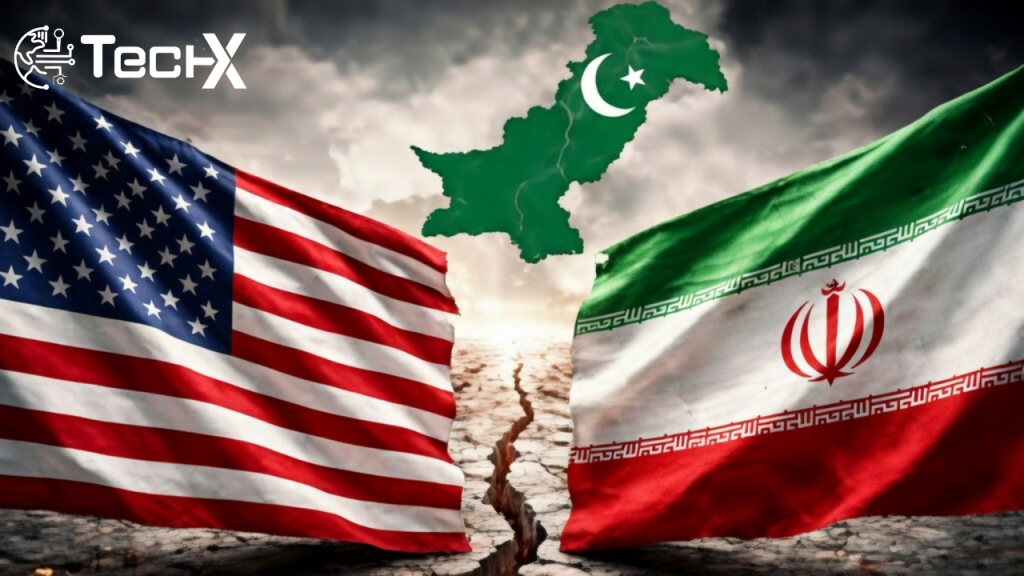
The Islamabad Talks 2026 were held in Islamabad to ease rising tensions between the United States and Iran. These talks were considered an important diplomatic effort for regional peace. However, despite long discussions, no formal agreement or deal was reached between the two countries.
Disagreement on Nuclear Program
One of the main reasons for the failure of the talks was the disagreement over Iran’s nuclear program. The United States demanded strict monitoring and limitations, while Iran maintained that its program is for peaceful purposes and refused further restrictions. This issue remained unresolved throughout the negotiations.
Regional Security Concerns
Regional security was another major point of conflict, especially regarding the Strait of Hormuz. The United States emphasized free navigation and limiting Iran’s influence, whereas Iran focused on protecting its sovereignty and regional interests. These opposing views led to continued deadlock.
Role of Pakistan and Ceasefire Efforts
Pakistan played a key role by hosting and facilitating the talks. Earlier, Pakistan had also helped in achieving a temporary ceasefire. However, this ceasefire was informal and did not result in any long-term or legally binding agreement during the Islamabad Talks.
Outcome of the Talks
The talks ended without any signed agreement or major breakthrough. Both sides described the discussions as serious but ultimately inconclusive. No peace deal or structured framework was announced at the end of the negotiations.
Conclusion
The Islamabad Talks highlight the ongoing challenges in relations between the United States and Iran. While dialogue is still possible, major disagreements remain unresolved. Future negotiations will require compromise from both sides to achieve stability and lasting peace.