
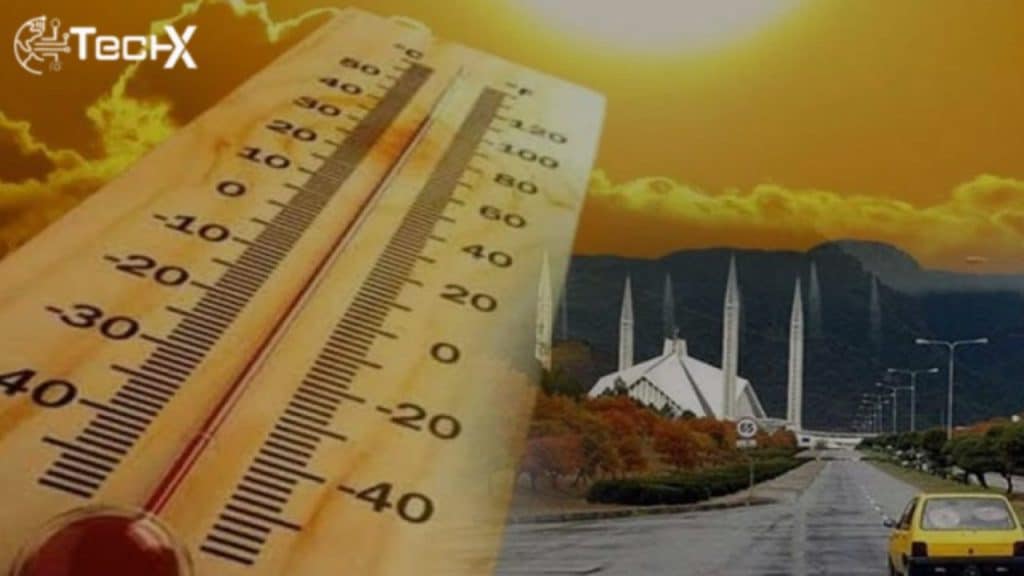
On Wednesday, Islamabad experienced one of its hottest days ever, with temperatures reaching a scorching 45°C. The Pakistan Meteorological Department (PMD) confirmed this reading, just 1.6°C below the city’s all-time high. The record, set on June 21, 1994, stands at 46.6°C. The intense heatwave has disrupted daily life, prompting health warnings and advisories.
PMD Predicts Relief Through Rain
Dr. Mohammad Hanif of the PMD shared hopeful news on social media, forecasting rain in the coming days. This expected weather change may bring much-needed relief from the relentless heat. Residents are advised to stay hydrated and avoid unnecessary outdoor activities until temperatures drop. The PMD continues to monitor conditions closely for further updates.
Margalla Hills Fire Adds to Crisis
Amid the extreme heat, a fire broke out on the slopes of Margalla Hills, a popular hiking destination. The Islamabad district administration swiftly responded, dispatching firefighting teams to the scene. The blaze, which started in a forested area, posed a significant threat to the ecosystem. Authorities remain vigilant to prevent further damage.
Firefighting Efforts Underway
Over 50 firefighters were deployed to control the Margalla Hills fire, according to a district administration spokesperson. The assistant commissioner monitored the situation closely, expressing confidence in containing the flames. The cause of the fire remains unconfirmed, but dry conditions likely contributed. Fire incidents in the area are common during heat waves, often linked to human negligence.
Also Read: How Arista Vision Dominates Pakistan’s SMD Screen Market in 2025
Human Activity Blamed for Fires
Authorities suspect that many Margalla Hills fires result from careless human behavior, such as discarded cigarettes or illegal bonfires. The dry summer season increases fire risks, making preventive measures crucial. Officials urge visitors to avoid activities that could spark flames. Public awareness campaigns emphasize fire safety to protect the region’s natural beauty.
Section 144 Imposed to Prevent Fires
In response to the fire and extreme heat, Islamabad’s district administration reinforced Section 144. This order prohibits barbecues, bonfires, and open flames in green belts and Margalla Hills National Park. Violators face legal action to deter reckless behavior. The measure aims to reduce fire outbreaks during the ongoing heatwave.
Public Advised to Avoid Forest Picnics
Officials have urged families to avoid forested areas for Eid picnics, recommending safer public spaces instead. Temporary warning signs have been placed along hiking trails and entry points. The administration emphasizes public cooperation to prevent further incidents. Citizens are encouraged to report any fire hazards immediately.
Long-Term Climate Concerns
The record-breaking heat highlights growing climate concerns in Islamabad. Rising temperatures and frequent heat waves signal the need for sustainable environmental policies. Experts call for increased tree planting and water conservation efforts. Public and governmental action is essential to mitigate climate change in the region.
Conclusion: Staying Safe in Extreme Heat
As Islamabad battles extreme heat and wildfires, residents must prioritize safety. Staying indoors during peak hours, drinking plenty of water, and avoiding fire-prone activities are critical. Authorities continue to monitor the situation, hoping for rain to ease conditions. Public awareness and cooperation remain key to overcoming these environmental challenges.