
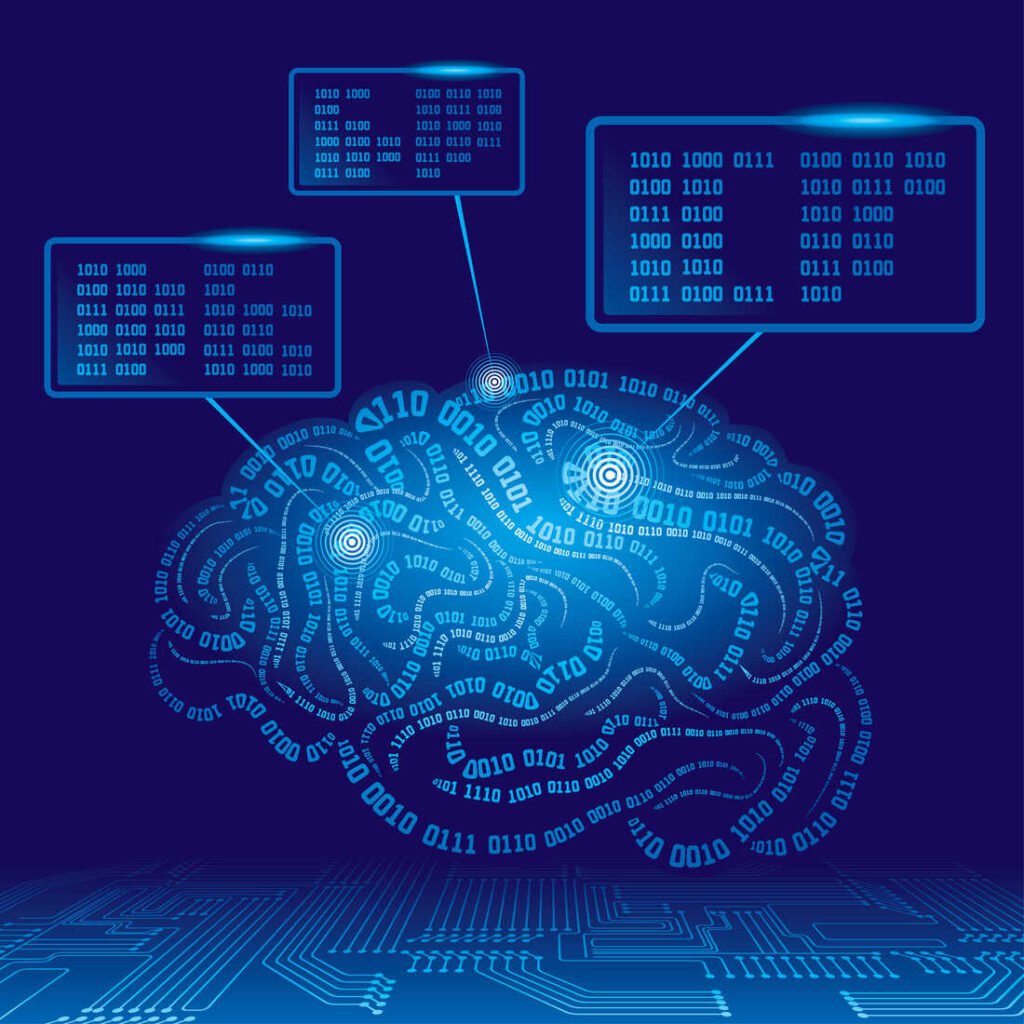
Since the time of the first Greek intellectuals, the study of the human mind, particularly its mental processes, has piqued humanity’s interest. What machine can do we all know but can they think it is the main question?
Computational models (as simplified representations of reality) were first used in Cognitive Psychology, resulting in a slew of practical applications.
We can discover instances in educational, organizational, political, advertising, and security and crisis settings, such as psychological and medical therapies, learning improvement, and even forecasting group behaviors.
But wait…we’re debating whether a machine can have real feelings (according to the same standards that we handle for humans).
But what exactly does “thinking” imply? What exactly do we mean when we say “machine”? I’m not a philosopher, but I’m sure the answers to these questions will spark a lively discussion among them.
Another intriguing (and complicated) argument would be concerning the purpose of thought, as well as what kind and amount of cognition we’re talking about when we ask “Can robots think?” …”
Along the same lines, we would wonder if it’s conceivable to assume that a thinking machine could have a purpose unrelated to the instructions or directions it receives (programmed) from humans.
Is it possible to think (humanly) and not be able to pick your purpose?
“…Yes, but slaves think…and it is obvious that they are robbed of deciding their purpose…”, some friends might reply. “True!” – I would respond, but it is also clear that even slaves, despite their helplessness, have the ability (physical and cognitive) to choose their purpose.
This means they won’t be able to carry it through, even if they can keep the urge alive in their heads.
To read our latest blog on cryptocurrencies, click here.