
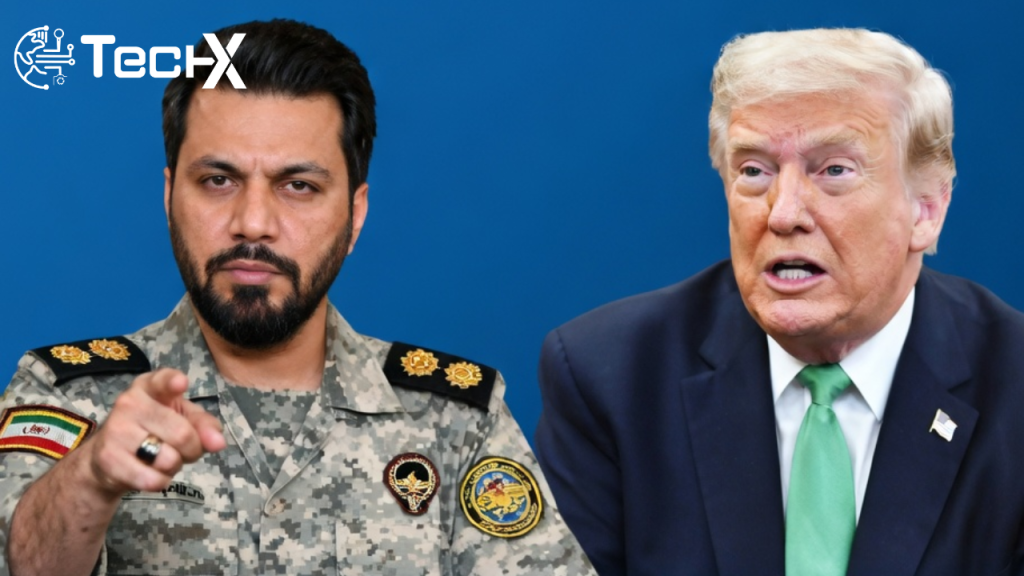
Tensions between Iran and the United States continue to center around the Strait of Hormuz, which is one of the most important oil shipping routes in the world. A large portion of global oil trade passes through this narrow waterway, making it a critical geopolitical chokepoint. Any instability in this region immediately attracts international attention.
IRGC General Warnings
Iran’s Islamic Revolutionary Guard Corps (IRGC) has repeatedly warned that any threat to its maritime security will be met with a strong response. These statements are part of Iran’s long-standing policy of deterring foreign military pressure in the region. However, these warnings are usually general in nature and not always linked to a specific new incident.
U.S. Naval Presence in the Region
The United States maintains a regular naval presence in the Gulf to ensure freedom of navigation for commercial and energy shipments. U.S. officials have consistently stated that the Strait of Hormuz must remain open to global trade. This presence often leads to increased tension and verbal exchanges with Iran.
Verification of the Current Claim
It is important to clarify that there is no confirmed or verified report linking a fresh IRGC warning specifically to Donald Trump or any new “Hormuz blockade” announcement. Many such claims circulating online tend to mix real regional tensions with unverified or exaggerated details.
Historical Context of Tensions
The Strait of Hormuz has long been a hotspot for Iran–U.S. tensions, especially during periods of sanctions or military escalation. Even minor naval encounters in the area have previously triggered strong diplomatic reactions from both sides, making it one of the most sensitive maritime regions in the world.
Conclusion
In conclusion, while the strategic tension in the Strait of Hormuz is real and ongoing, the specific claim about an IRGC warning tied directly to Trump and a blockade is not verified by reliable sources. The situation should be understood as part of broader long-term geopolitical rivalry rather than a confirmed new escalation.