
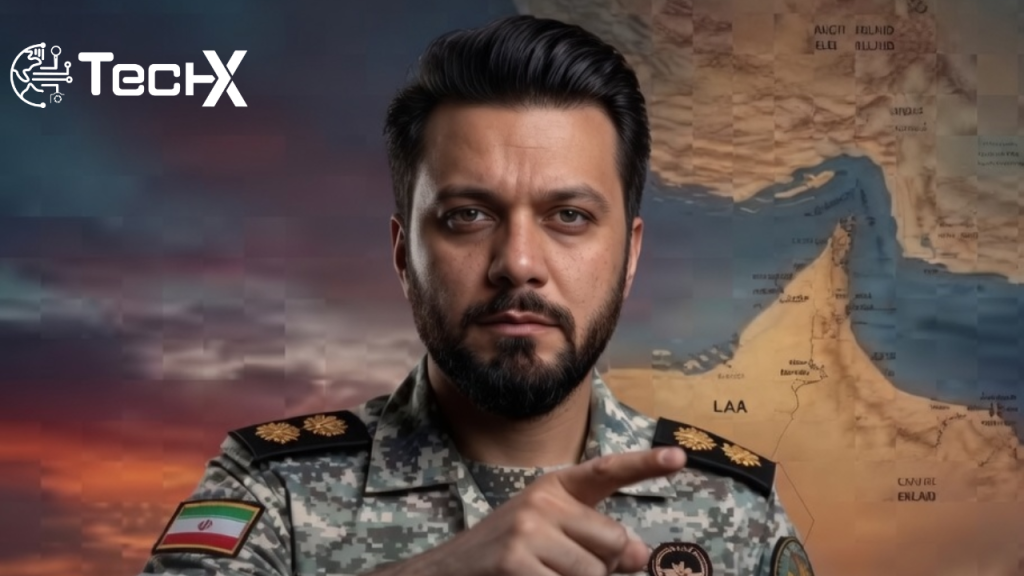
The Strait of Hormuz is one of the world’s most important oil shipping routes, through which a large share of global crude oil and gas passes daily. Any change in rules or security conditions in this area can have a direct impact on international trade and energy prices.
Iran Maritime Security Position
Iran, through its naval forces, regularly emphasizes security control over its territorial waters and the Strait region. The Islamic Revolutionary Guard Corps (IRGC) has previously stated that it monitors and secures maritime traffic in the area, especially during periods of regional tension.
Shipping and Navigation Rules
At present, international shipping in the Strait of Hormuz operates under internationally recognized maritime laws and coordination with regional authorities. While Iran may issue warnings or guidance during security concerns, there is no confirmed new official rule requiring all ships to obtain separate permission for each transit.
Military and Civilian Vessel Movements
Civilian commercial vessels generally continue to pass through the Strait under standard navigation procedures. Military vessels from different countries also operate in the region under international maritime norms, although tensions can sometimes lead to increased monitoring or warnings.
Media Claims and Unverified Statements
Recent social media reports claiming strict new IRGC rules, including full restrictions on military vessels or mandatory prior approval for all ships, are not confirmed by reliable international news agencies. Such claims should be treated cautiously unless officially verified.
Ongoing Regional Sensitivities
The Strait of Hormuz remains a sensitive geopolitical hotspot, especially amid Iran–US tensions. While statements and warnings often emerge during such periods, actual enforceable changes to shipping rules require official confirmation from recognized authorities and international maritime organizations.