
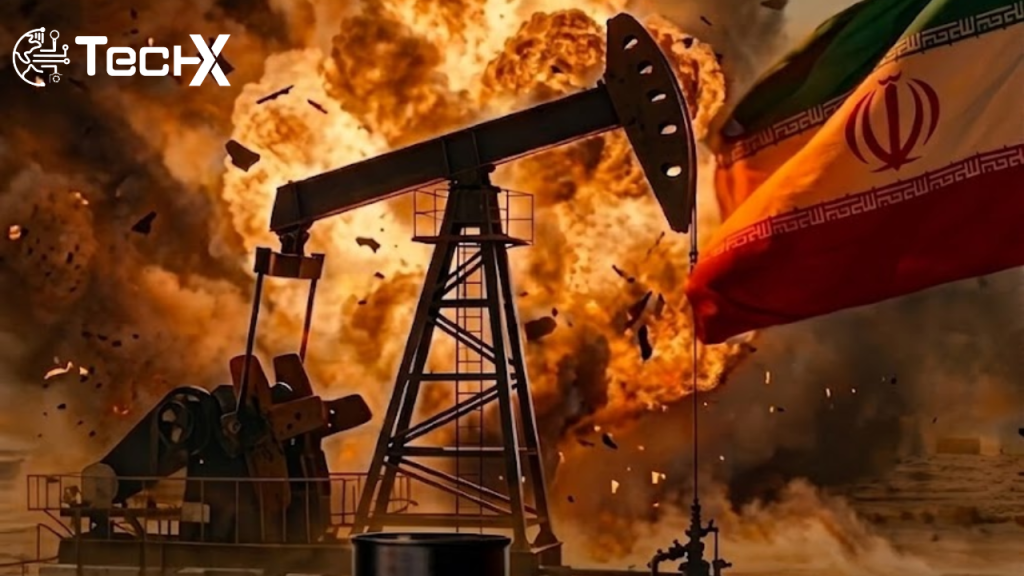
Iran has issued a strong warning to Gulf countries, stating that it may target oil production and energy infrastructure in the Middle East if it is attacked from their territory. The statement reflects rising regional tensions and concerns over the potential expansion of conflict in the Gulf region.
Details of the Warning
According to reports from Iranian military and state-linked sources, officials warned that any country allowing its land, airspace, or military facilities to be used against Iran could face serious consequences. The warning specifically highlighted the possibility of disrupting oil production and key energy routes in response to hostile actions.
Background of Rising Tensions
The warning comes amid already high tensions in the region, where political and military conflicts have increased security concerns. The Gulf region is strategically important due to its role in global oil supply, making it highly sensitive to any form of military escalation or threat.
Importance of Gulf Oil Infrastructure
The Middle East, particularly the Gulf countries, plays a crucial role in global energy markets. Any disruption to oil production or transportation routes such as the Strait of Hormuz could have a major impact on global oil prices and energy stability, affecting economies worldwide.
Iran Strategic Position
Iran has previously used strong rhetoric as a deterrent strategy to discourage external military action against it. By issuing such warnings, Iran aims to pressure neighboring countries to avoid involvement in any potential conflict involving its territory or interests.
International Concerns
The international community continues to monitor the situation closely, as further escalation could destabilize the region. Experts believe that diplomacy and dialogue remain essential to prevent any conflict that could threaten global energy security and regional peace.