
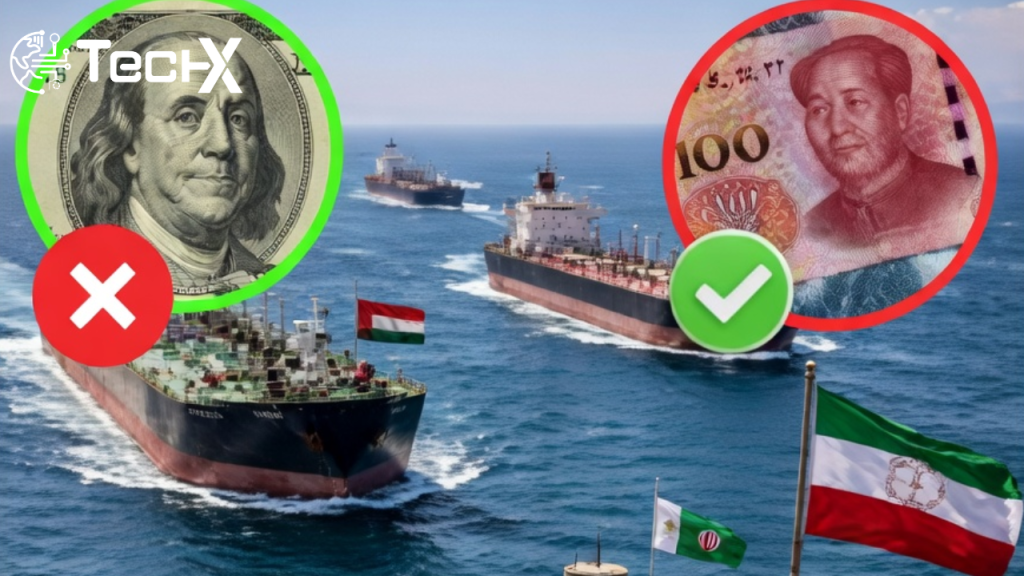
Iran’s security authorities have approved a plan to impose fees on vessels passing through the Strait of Hormuz, a key shipping route for global oil and gas. The move is part of Iran’s effort to assert control over this strategic waterway amid ongoing regional tensions.
Transit Fees Already Being Applied
Reports indicate that Iran’s security forces have started charging fees on some commercial ships to allow safe passage. These charges are negotiated individually and can reach millions of dollars per large tanker voyage, depending on cargo size.
Payments in Yuan or Cryptocurrency
Some vessels are reportedly paying these fees using Chinese yuan or cryptocurrencies, including stablecoins, to bypass U.S.-based financial restrictions. This reflects Iran’s focus on alternative payment methods in response to sanctions.
Passage Remains Controlled Not Blocked
The strait is still open for shipping, but vessels must follow Iran’s conditions for passage, including providing ship and cargo details and negotiating terms for safe transit.
No Official Dollar Ban Confirmed
Although there are reports that the U.S. dollar is not being accepted for tolls, there is no confirmed official ban from Iranian authorities. Alternative currencies are used in practice in some cases but are not yet an officially mandated nationwide policy.
Global Implications
The introduction of tolls and controlled passage has significant implications for global energy markets and maritime trade. Disruptions in the Strait of Hormuz can affect oil prices and raise concerns about freedom of navigation and international shipping security.