
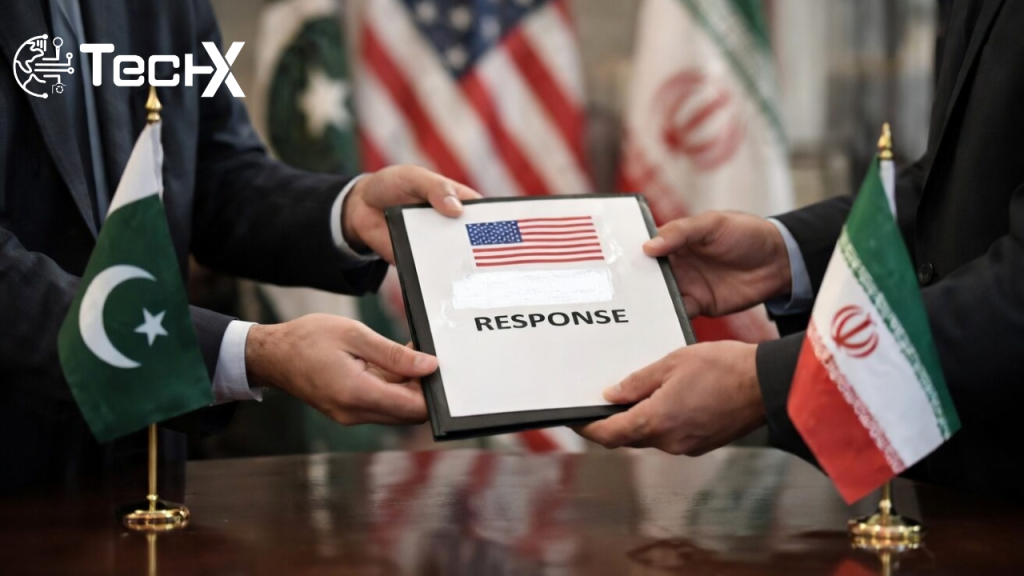
Iran has formally rejected a temporary ceasefire proposal from the United States, choosing instead to present a 10‑point response that outlines Tehran’s own conditions for ending the war. This response was conveyed to Washington and other parties through diplomatic channels involving Pakistan.
Emphasis on Long Term Peace
In its communication, Iran made it clear that it will not accept a short‑term halt in fighting alone, saying a temporary ceasefire would not resolve the underlying issues. Tehran insists any agreement must focus on a permanent and comprehensive end to the conflict based on its own strategic and political conditions.
Key Demands in the Response
While the full official text of all ten points has not been publicly released, state media and reports highlight several core elements of Iran reply. These include demands for an end to hostilities across the region, lifting of international sanctions, and commitments to reconstruction efforts.
Safe Passage Through Strait of Hormuz
One of the major demands Tehran has outlined is the establishment of a formal protocol to ensure secure passage through the Strait of Hormuz, a strategic waterway critical for global oil transport. Iran argues such security guarantees must be part of any long‑term peace arrangement, rather than just a brief cessation of hostilities.
Context of Trump Administration Proposal
The temporary ceasefire concept was part of a broader diplomatic framework being discussed by mediators including Pakistan that would start with a short pause and lead into formal negotiations. However, Iran has described components of those proposals as inadequate or unrealistic without addressing key issues like sanctions and regional security.
Reactions and Diplomatic Stalemate
A senior U.S. official described Iran 10‑point response as a significant step but insisted it was “not sufficient” to move forward with a ceasefire. With both sides maintaining differing core demands, diplomatic efforts mediated by regional partners continue amid ongoing tensions.
Conclusion
Iran refusal of a temporary ceasefire and delivery of a ten‑point response through Pakistan reflects a growing diplomatic impasse. Tehran’s stance prioritizes a permanent end to the conflict with structural conditions rather than a short pause in hostilities and highlights deep disagreements with U.S. proposals