
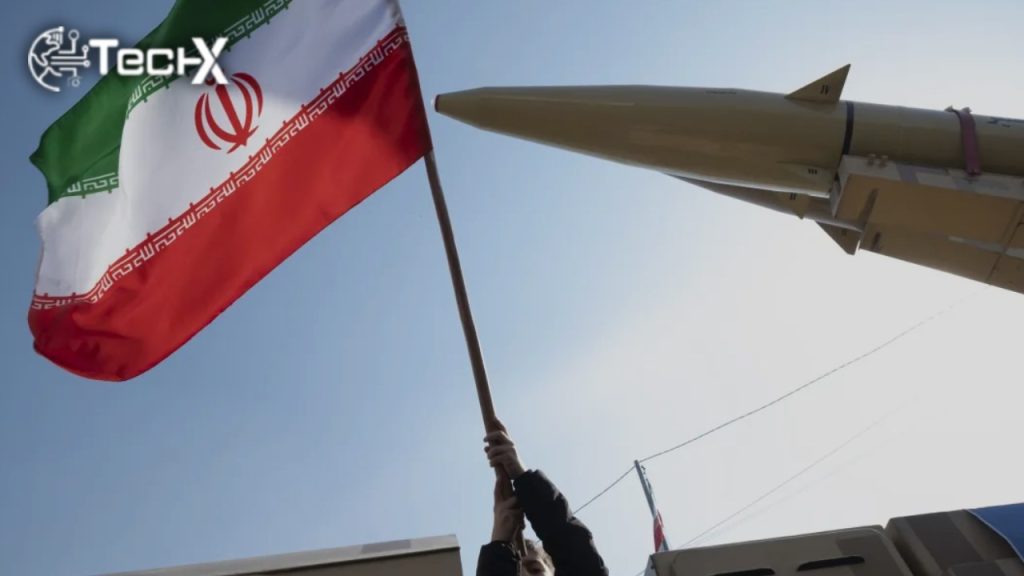
Tensions in the Middle East sharply increased in February 2026 after military strikes between United States, Israel, and Iran. Reports say Iran launched missile attacks against several locations in the region where U.S. forces and allies operate.
According to international media reports, the attacks were part of Iran’s retaliation after the U.S. and Israel carried out military operations targeting sites inside Iran.
Missiles were launched toward multiple Gulf countries, including Bahrain, Qatar, Kuwait, and the United Arab Emirates. Many of these locations host U.S. military bases or facilities used for regional security operations.
Why These Bases Are Important
The Middle East hosts several major U.S. military installations. These bases help monitor regional security, support air operations, and coordinate missions across many countries.
For example, Al Udeid Air Base in Qatar is the largest U.S. military base in the Middle East and houses around 10,000 troops along with many aircraft and drones.
Another important facility is Prince Sultan Air Base in Saudi Arabia, which supports U.S. and allied air forces and has played a major role in regional military operations.
These bases are important for logistics, intelligence gathering, and defense coordination across the region.
Countries Where Missiles Were Reportedly Targeted
Reports indicate that several countries with U.S. military facilities were mentioned as targets during the attacks. Some missiles were intercepted by air defense systems, while others caused explosions or damage in certain areas.
| Country | Reported Target Locations | Importance |
|---|---|---|
| Israel | Multiple areas across the country | Military and strategic targets |
| Bahrain | U.S. Fifth Fleet headquarters in Manama | Major U.S. naval command center |
| Qatar | Al Udeid Air Base | Largest U.S. base in the region |
| Kuwait | Camp Arifjan, Ahmad Al-Jaber Air Base | Logistics and air operations hub |
| United Arab Emirates | Al Dhafra Air Base, Jebel Ali Port | Key air and naval support sites |
| Saudi Arabia | Prince Sultan Air Base and others | Strategic air operations base |
| Jordan | Muwaffaq Al-Salti Air Base | Joint military operations site |
| Iraq | U.S. base in Erbil | Regional security and monitoring |
Impact on the Region
The missile attacks caused panic in several Gulf countries. Residents reported hearing loud explosions and seeing air defense systems intercept incoming missiles. Some countries temporarily closed their airspace, and airlines changed flight routes to avoid the region.
There were also reports of casualties and damage in certain areas, including at least one death in Abu Dhabi during the attacks.
Rising Global Concerns
The situation has raised serious concerns about a wider conflict in the Middle East. International organizations and world leaders have urged all sides to avoid further escalation and return to diplomatic talks.
Military analysts warn that if tensions continue, more countries in the region could be affected because many host foreign military bases or strategic facilities.
For now, governments across the Gulf and neighbouring countries remain on high alert as the situation continues to develop.
Regional Defense Systems and Military Preparedness
Many Middle Eastern countries have strong air defense systems designed to detect and destroy incoming missiles. During the reported attacks, several countries activated emergency defense protocols.
Israel uses advanced missile defense systems such as Israel Defense Forces air defense networks that include multiple interception layers. These systems are designed to stop short-range rockets, ballistic missiles, and drones before they reach populated areas.
Similarly, Gulf countries that host U.S. forces rely on modern defense technology operated together with the United States Armed Forces. Bases in Qatar, Bahrain, and the United Arab Emirates are protected by radar systems and missile interceptors that track threats from long distances.
These systems play an important role in reducing damage and protecting civilians during times of conflict.
Strategic Importance of U.S. Bases in the Middle East
The United States maintains several military facilities across the Middle East to support security operations, counterterrorism missions, and regional stability.
One of the most important facilities is Al Udeid Air Base, located near Doha. It serves as the main headquarters for U.S. air operations in the region and hosts thousands of troops.
Another key location is Prince Sultan Air Base in Saudi Arabia, which supports air defense and surveillance operations. These bases allow the United States and its allies to respond quickly to security threats.
| Base Name | Country | Main Role |
|---|---|---|
| Al Udeid Air Base | Qatar | Command center for air operations |
| Prince Sultan Air Base | Saudi Arabia | Air defense and military coordination |
| Juffair Naval Base | Bahrain | Headquarters of U.S. naval fleet |
| Al Dhafra Air Base | UAE | Fighter jet and reconnaissance operations |
| Camp Arifjan | Kuwait | Logistics and troop support |
Political Reactions Around the World
The escalation between Iran, Israel, and the United States has drawn global attention. Governments around the world are closely watching the situation.
Many international leaders have called for calm and diplomatic dialogue to prevent the conflict from expanding. The United Nations has also urged all sides to avoid further military escalation.
Countries in the Gulf region are increasing security at airports, military bases, and key infrastructure sites. Airlines and shipping companies are also monitoring the situation because instability in the region can affect global travel and trade routes.
What Could Happen Next
Security experts say the coming days will be important for the region. If tensions continue to rise, further military actions could occur, potentially affecting several countries in the Middle East.
However, diplomatic efforts are also underway to reduce tensions and encourage negotiations. Many nations believe that dialogue and international cooperation are the best path toward stability.
For now, the region remains on high alert while governments monitor developments and prepare for possible changes in the security situation.