
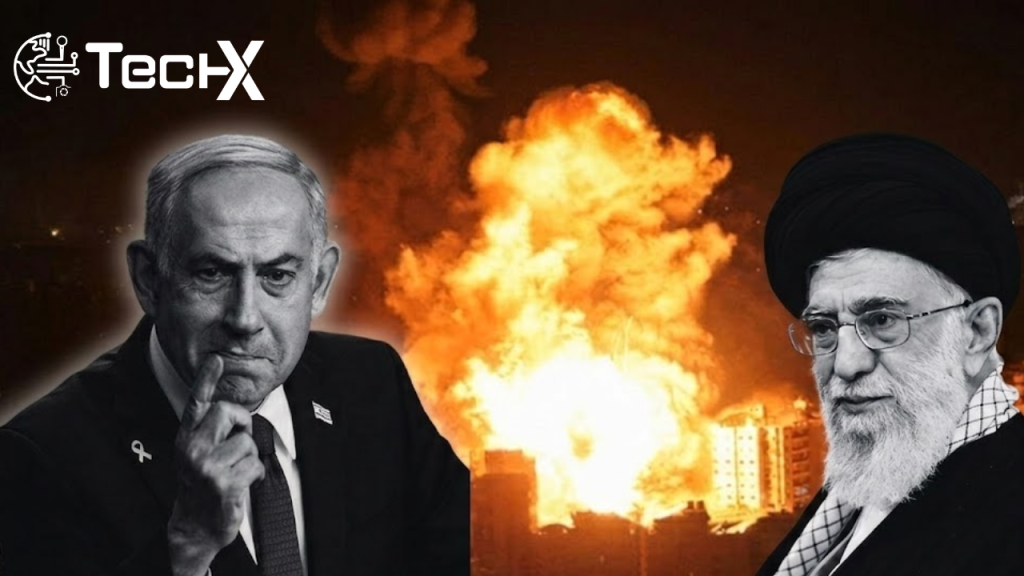
Following a joint Israeli and United States military attack on Iran on 28 February 2026, Iranian authorities responded with a retaliatory missile operation against Israel. Tehran said the strike was launched after the Israeli‑US action triggered explosions in Iranian cities, including Tehran, and provoked fears of continued regional escalation. The retaliatory effort has been described in Iranian media as a direct response to foreign strikes inside Iranian territory.
Estimated Missile Barrage Toward Israel
According to reports circulating across regional news outlets, Iran is said to have fired about 30 missiles toward northern Israel as part of its response. These missiles were reportedly aimed at Israeli territory following the joint strikes on Iranian soil. While official global agencies have not yet published detailed independent verification of the exact count or full impact, Iranian and local media claim the barrage signifies a significant escalation in the conflict.
Alerts, Sirens, and Israeli Defence Reaction
Israel’s military forces responded to the missile threat by activating air‑raid sirens across urban areas including Tel Aviv and northern regions. The Israel Defense Forces (IDF) reportedly tracked the incoming missiles and advised civilians to shelter and follow safety protocols. Emergency measures were also implemented, including the closure of some civilian airspaces and heightened alert status for defence units to counter any further retaliation.
Regional Tensions and Ongoing Escalation Risks
This exchange marks one of the most serious recent escalations between Iran and Israel. Although casualty numbers and precise damage from the Iranian missile barrage are still emerging, the situation has already triggered emergency responses in both countries and raised alarm among global leaders. Analysts warn that if both sides continue exchanges without de‑escalation, the broader Middle East could face even wider conflict.