

Recently, the International Innovation Award ‘Composite Flour,’ which honors novel approaches to the long-term preservation of wheat and regional agricultural products, was distributed to its three deserving recipients. Among them was Pakistan. The 23 finalists’ research proposals from four continents were examined by an international jury of scientists and industry experts.
Dr. Saqib Arif, a scientist from Pakistan who works as a Principal Scientific Officer for the Pakistan Agricultural Research Council in Karachi, was named one of the top three winners and presented with a prize of €2,000.
In light of the worldwide increase in wheat prices and growing sustainability concerns, he investigated the viability of composite flour, which blends underutilized cereals. The findings showed that mixed flours are a promising alternative to cut back on wheat use due to their superior nutritional profile, high fiber content, and bioactive components. Nonetheless, there are still obstacles to overcome in terms of processability and sensory qualities.
Wheat production needs approaches with innovation
Wheat is a crucial component in providing the food needs of people all over the world. Wheat, rice, and corn are staples for over 66 percent of the world’s population. However, the rising price of wheat is a serious problem for several countries around the world, including Pakistan. Despite its status as an agricultural powerhouse, Pakistan is increasingly forced to import wheat to meet domestic demand.
Climate change, population expansion, increasing prices of inputs and production, inefficient supply networks, shifting market conditions, and other factors all play a role in this predicament. Bread, biscuits, pasta, pastries, crackers, breakfast cereals, noodle dishes, cupcakes, and more are all common uses for wheat flour. There are sustainability issues with such a high use of wheat flour.
Dr. Qurrat ul Ain Akbar, Salman Khurshid, Mehwish Iqbal, and Saba Iqbal all contribute to the study as either Scientific Officers or Doctoral Students at PARC. In addition to looking into more localized sources, they are aggressively pursuing the use of innovation and corrective techniques like enzymes and pretreatments to reduce the negative impacts of flour blending.
The study’s authors think that finding viable alternatives to wheat could be an effective strategy. In this context, composite flour stands out as a promising innovation and workable alternative that can help reduce reliance on wheat flour while providing other health benefits.
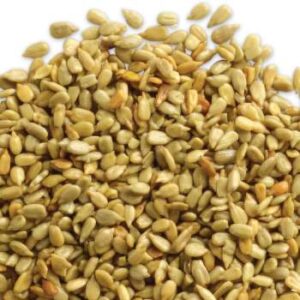

Composite flour offers a promising strategy for dietary diversity and health improvement by combining flours from a variety of sources, such as legumes, tubers, cereals, and more.
German flour treatment expert MC Muhlenchemie is celebrating its centennial by hosting a global competition. This prize was created to recognize the significant contributions of local researchers and practitioners whose work in the years 2019–2022 has resulted in novel approaches to the production and processing of alternative flours and flour blends that include wheat.
To read our article about “Forbes Asia’s 30 Under 30 honors Pak tech artist innovation” click here.