
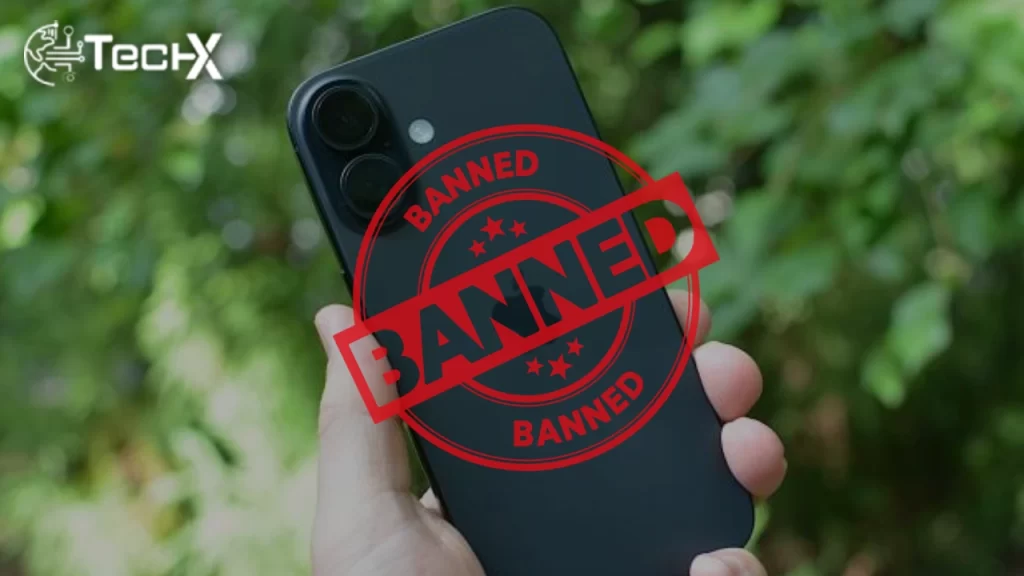
The Indonesian government has officially prohibited the sale and use of Apple iPhone 16 and Apple Watch 10, a drastic measure that stems from Apple’s failure to meet a significant investment commitment. Originally, Apple had pledged to invest approximately $109 million in local research and development facilities but fell short, investing only $95 million. Consequently, the Ministry of Industry has not issued International Mobile Equipment Identity (IMEI) certification to these devices, effectively making their use illegal in Indonesia.
Legal Implications of the Ban
Indonesia Bans the Use of Apple iPhone 16 due to the lack of IMEI certification, which prevents these devices from being legally activated or used within the country. This decision highlights the government’s strict enforcement of investment agreements and its readiness to impose penalties on non-compliance. Industry Minister Agus Gumiwang Kartasasmita emphasized the importance of citizens reporting any operational iPhone 16 devices, underscoring the enforceability of this ban.
Also Read: Huawei Surpasses Apple in China’s Smartphone Market Share
Impact on Apple’s Market in Indonesia
This ban notably impacts Apple’s market presence and customer base in Indonesia. As a major player in the global tech industry, Apple’s partial withdrawal from the Indonesian market could affect its sales and brand reputation adversely. This situation serves as a stark reminder of the challenges multinational corporations face when navigating the regulatory environments of different countries, particularly when investment commitments are involved.
Exceptions to the Ban
Despite the stringent ban, the Indonesian government allows certain exceptions. Tourists and airline crew members are permitted to bring up to two iPhone 16 units into the country for personal use. However, these individuals are strictly prohibited from selling the devices within Indonesia. This exception aims to balance the enforcement of the ban with the practical needs of international travelers and temporary visitors.
Reactions and Responses to the Ban
The ban has sparked varied reactions among consumers and stakeholders within Indonesia. While some applaud the government’s firm stance on investment commitments, others are concerned about the availability of the latest technology. Indonesia Bans the Use of Apple iPhone 16, which may prompt consumers to seek alternatives, potentially benefiting competitors who comply with Indonesia’s investment and regulatory requirements.
Future Implications for Tech Investments in Indonesia
By holding Apple accountable, Indonesia is asserting its expectations for foreign investors, particularly in technology and innovation sectors. This enforcement action against Apple could signal a new era for technology investments in Indonesia. The stance could either attract companies willing to meet these strict criteria or deter those cautious of potential regulatory challenges.
Conclusion
Indonesia Bans the Use of Apple iPhone 16 underscores the importance of compliance with local laws and investment commitments. For Apple and other tech giants, this situation serves as a reminder of the critical need to fulfill all regulatory requirements to operate smoothly in international markets. Moving forward, Apple will have to reassess its strategies to regain its footing in the Indonesian market, while other companies might view this as a cautionary tale of the importance of adhering to local investment commitments.