
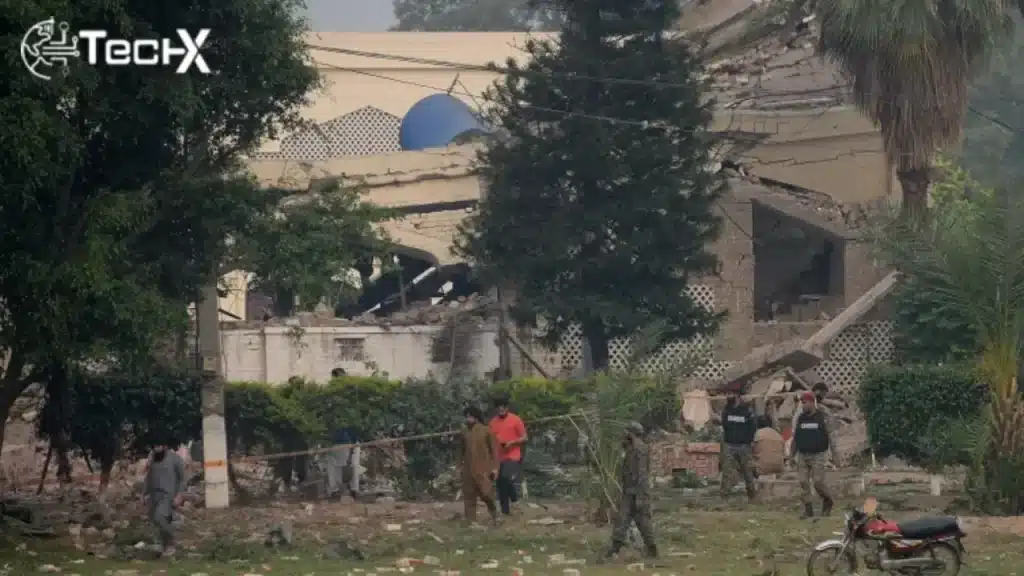
Recent Indian military strikes have targeted civilian areas and religious sites across Pakistan, resulting in tragic casualties and infrastructure damage. The attacks focused on mosques, residential zones, and critical energy projects, raising serious humanitarian and security concerns. Pakistan has strongly condemned these violations of international law.
Detailed Breakdown of Attacks and Casualties
The following table summarizes the impact of Indian aggression on different locations:
| Location | Target | Martyred | Injured | Damage Reported |
|---|---|---|---|---|
| Muzaffarabad | Masjid Bilal | 3 civilians | 2 (1 girl, 1 boy) | Mosque partially damaged |
| Ahmedpur East | Masjid Subhanullah | 13 (2 girls, 7 women, 4 men) | 37 (9 women, 28 men) | Severe structural damage |
| Muridke | Masjid Ummul Qura | 3 men | 1 civilian | Minor blast impact |
| Sialkot & Shakargarh | Civilian areas | No casualties | None | Dispensary damaged in Shakargarh |
| Kotli | Masjid Abbas | 2 (16-year-old girl, 18-year-old boy) | 2 (mother & child) | Prayer hall destroyed |
| Neelum-Jhelum | Noseri Dam | – | – | Critical damage; power disruptions feared |
Also Read: Pakistani Shaheens Strike Indian Air Force, Causing Billions in Damage
Humanitarian Catastrophe Unfolding
The deliberate targeting of places of worship during prayer times demonstrates particular cruelty, with women and children constituting over 60% of the casualties. The attack on Noseri Dam has compromised water management and power generation for entire regions, creating a secondary crisis for vulnerable populations. These actions constitute clear violations of the Geneva Convention’s provisions regarding civilian protection.
International Outrage Grows
Human rights organizations worldwide have classified these strikes as potential war crimes. The United Nations Human Rights Council has been urged to convene an emergency session. Pakistan’s permanent representative to the UN has submitted formal evidence of India’s violations of:
- Article 51 of the UN Charter
- Geneva Convention IV
- International humanitarian law principles
Pakistan’s Multilateral Response Strategy
The Pakistani government has initiated a three-pronged response:
- Military: Enhanced aerial surveillance and border fortifications
- Diplomatic: Urgent UNSC consultations and OIC emergency meeting
- Humanitarian: Crisis relief operations in affected areas
Prime Minister’s Office stated: “We will pursue every legal and diplomatic avenue to hold the perpetrators accountable while exercising our inherent right to self-defense.”
Global Community’s Critical Role
The international community faces a moral imperative to:
- Demand immediate cessation of hostilities
- Establish an independent investigation commission
- Implement targeted sanctions against responsible parties
- Provide humanitarian assistance to affected civilians
Failure to act decisively risks regional destabilization and sets dangerous precedents for cross-border conflicts worldwide.