
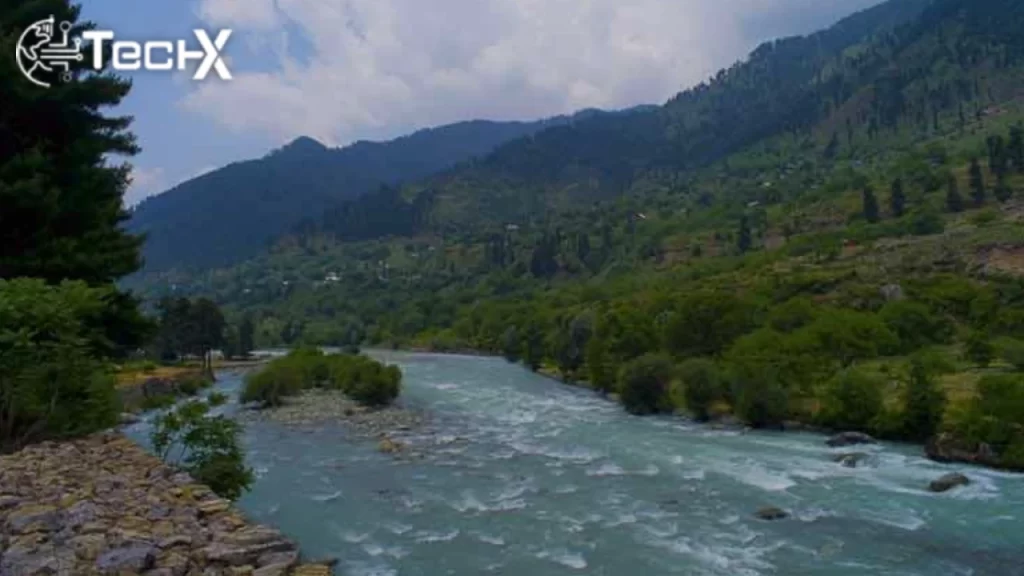
India unexpectedly released a massive volume of water into the Jhelum River without prior notice to Pakistan. The abrupt surge caused water levels to rise dangerously near Muzaffarabad. Local authorities swiftly declared an emergency in Hattian Bala, using mosque loudspeakers to warn residents. The sudden influx triggered fear among communities living along the riverbanks, forcing many to evacuate to safer locations.
Rising Water Levels Threaten Communities
The water flow originated from Anantnag in Indian-administered Kashmir and surged through Chakothi. The rapid increase overwhelmed riverbanks, putting nearby villages at risk. Residents reported panic as floodwaters encroached on homes and farmland. Emergency teams were deployed to monitor the situation, urging people to avoid the river. The lack of prior warning from India intensified concerns over potential flooding and property damage.
Indus Waters Treaty Under Scrutiny
The incident has reignited tensions over the Indus Waters Treaty, a 1960 agreement regulating water sharing between India and Pakistan. Despite past conflicts, the treaty remained intact, but recent disputes have strained relations. Experts warn that unilateral water releases without coordination violate the treaty’s spirit. Pakistan’s government has called for transparency, demanding adherence to established protocols to prevent further escalation.
Also Read: Indus Waters Treaty
Pakistan Calls for International Intervention
Pakistan’s National Security Committee (NSC) has urged global organizations to monitor India’s water management practices. The NSC emphasized the need for peaceful dialogue to prevent conflicts over shared resources. International mediation could help enforce treaty compliance and ensure fair water distribution. The situation highlights the fragility of transboundary water agreements amid political tensions between the nuclear-armed neighbors.
Local Authorities Mobilize Emergency Response
In Hattian Bala, officials activated disaster response plans, setting up relief camps for displaced families. Rescue teams patrolled vulnerable areas, assisting evacuations and providing aid. The local administration coordinated with disaster management agencies to mitigate risks. However, residents expressed frustration over the lack of early warnings, stressing the need for better communication between India and Pakistan during such crises.
Residents Demand Long-Term Solutions
Affected communities are calling for permanent measures to prevent future emergencies. Proposed solutions include improved early warning systems and joint water management mechanisms. Environmentalists warn that climate change could increase such incidents, necessitating stronger cooperation. Both nations must prioritize dialogue to safeguard millions dependent on the Indus River system for survival.
Conclusion
The sudden water release underscores the urgent need for India and Pakistan to strengthen communication on water-sharing issues. Violations of the Indus Waters Treaty risk escalating tensions, with severe humanitarian consequences. International oversight and bilateral negotiations are crucial to ensuring stability. As climate change intensifies water scarcity, collaborative management of shared rivers becomes essential for regional peace and prosperity.