
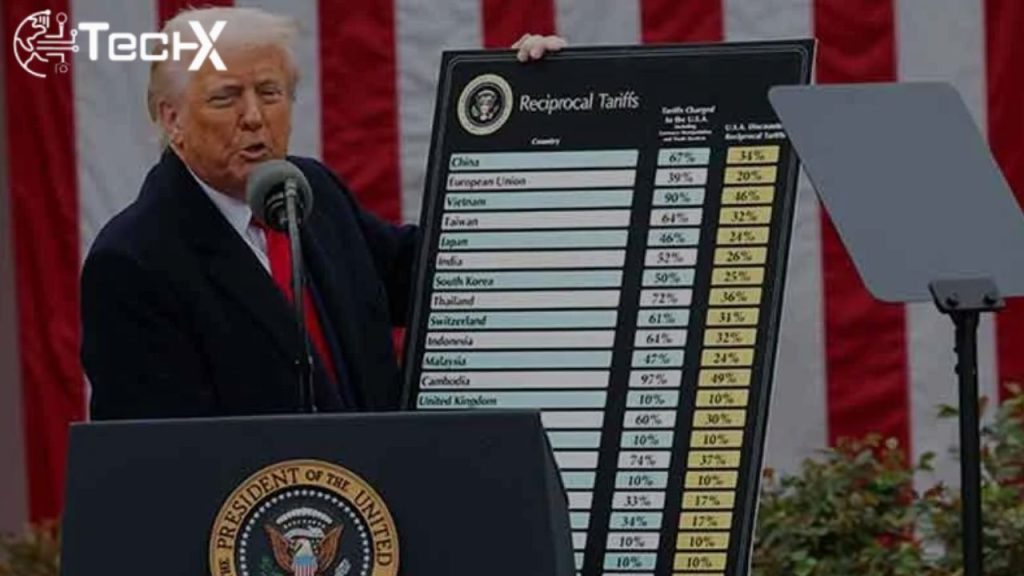
Donald Trump’s recent tariff policies have sent shockwaves across the global economy. Pakistan, along with India, Bangladesh, and China, faces steep new tariffs. For Pakistan, a 29% duty on textile exports to the U.S. threatens economic stability. This move will increase product prices, reduce demand, and hurt Pakistan’s export-driven industries. The ripple effects could lead to inflation, unemployment, and a weaker rupee.
How Tariffs Affect Export Prices
The 29% tariff means Pakistani textiles sold in the U.S. will jump from 100to129. Higher prices make these goods less competitive against cheaper alternatives. American buyers may shift to other markets, reducing Pakistan’s export revenue. This price hike disrupts trade dynamics, putting Pakistani manufacturers at a disadvantage. The immediate impact will be lower sales and shrinking profit margins for exporters.
Declining Demand for Pakistani Products
As Pakistani goods become more expensive in the U.S., demand will likely drop. American consumers and businesses will seek cheaper alternatives from countries with lower tariffs. Reduced demand means fewer orders for Pakistani factories, leading to lower production. This decline in exports will strain Pakistan’s trade balance, worsening its current account deficit and increasing reliance on foreign loans.
Pressure on the Pakistani Rupee
Lower exports mean fewer dollars entering Pakistan, increasing pressure on the rupee. A weaker currency makes imports costlier, fueling inflation. Essential goods like oil, machinery, and electronics will become more expensive. The State Bank may struggle to stabilize the rupee, leading to further economic instability. Inflation will erode purchasing power, hitting low-income households the hardest.
Also Read: Who is Ali Sheikhani
Rise in Unemployment
With falling demand, factories may cut production or shut down operations. Textile mills, a major employer, could lay off workers, increasing unemployment. Pakistan’s labor market, already under stress, will face further challenges. Job losses will reduce household incomes, weakening domestic consumption and slowing economic growth. The social impact could lead to increased poverty and unrest.
Long-Term Economic Consequences
Sustained tariffs could force Pakistan to find new export markets, but diversification takes time. Meanwhile, reduced U.S. trade will shrink GDP growth. Foreign investors may lose confidence, reducing capital inflows. The government’s revenue from export taxes will decline, limiting public spending. Without policy adjustments, Pakistan’s economy could face prolonged stagnation, worsening its debt crisis.
Possible Mitigation Strategies
Pakistan must explore alternative markets like Europe, Africa, and the Middle East to reduce reliance on the U.S. Incentivizing value-added exports can improve competitiveness. The government should negotiate trade deals and seek tariff exemptions. Boosting local industry through subsidies and tax relief can help sustain production. Strengthening regional trade within Asia may also offset losses from U.S. tariffs.
Conclusion
Trump’s tariffs pose a severe threat to Pakistan’s economy, risking inflation, unemployment, and currency devaluation. Immediate action is needed to diversify exports and stabilize trade. Without strategic reforms, Pakistan’s economic growth could suffer long-term damage. Policymakers must act swiftly to protect industries, jobs, and economic stability in this challenging trade environment.