
In order to create environmentally friendly immersion cooling for data centres, Intel has announced cooperation with Green Revolution Cooling (GRC). Their collaboration has already produced results on the value of immersion cooling, which are detailed in a recent whitepaper.
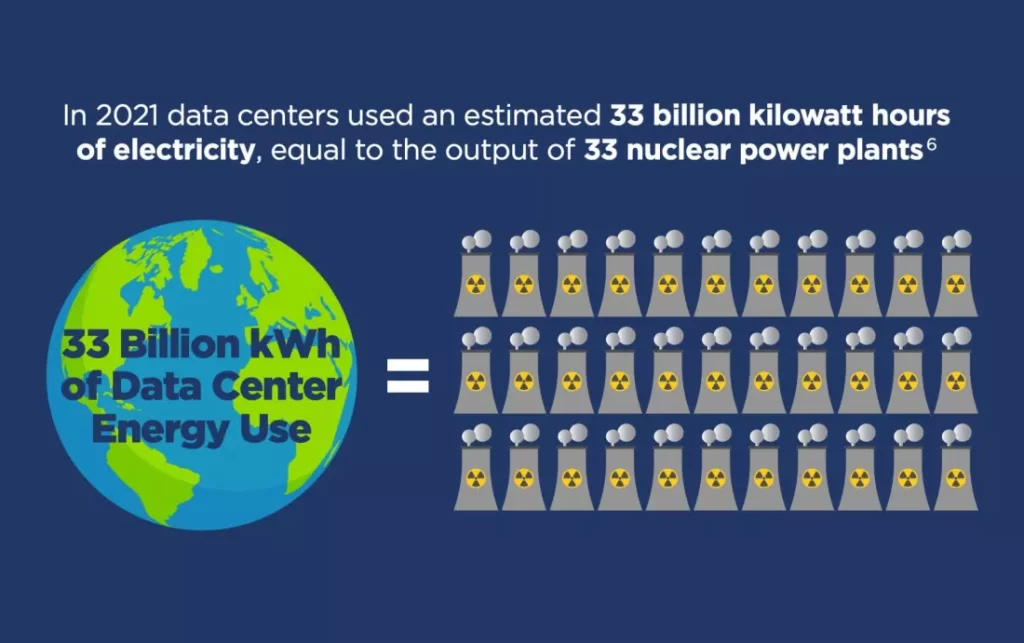
Data centres use between 1% and 2% of the world’s energy now, and after 10 years they may be using as much as 13%, according to two estimations from the year 2020. According to the US Department of Energy, air conditioning uses between 25 and 40 percent of that energy and computers themselves utilize around 50 percent of it.
Recent improvements in cooling efficiency have been made in certain data centres, but these have been countered by the increased power requirements of new gear. Approximately ten years ago, the average power use effectiveness, or efficiency, of all big data centres was around 1.6, according to Statista.
According to Intel and GRC’s white paper, immersion cooling eliminates the need for server fans, which account for 10-15% of a server’s power usage. Although the article didn’t provide a number, immersion cooling can cycle heat away more quickly than air cooling, resulting in greater efficiency benefits.

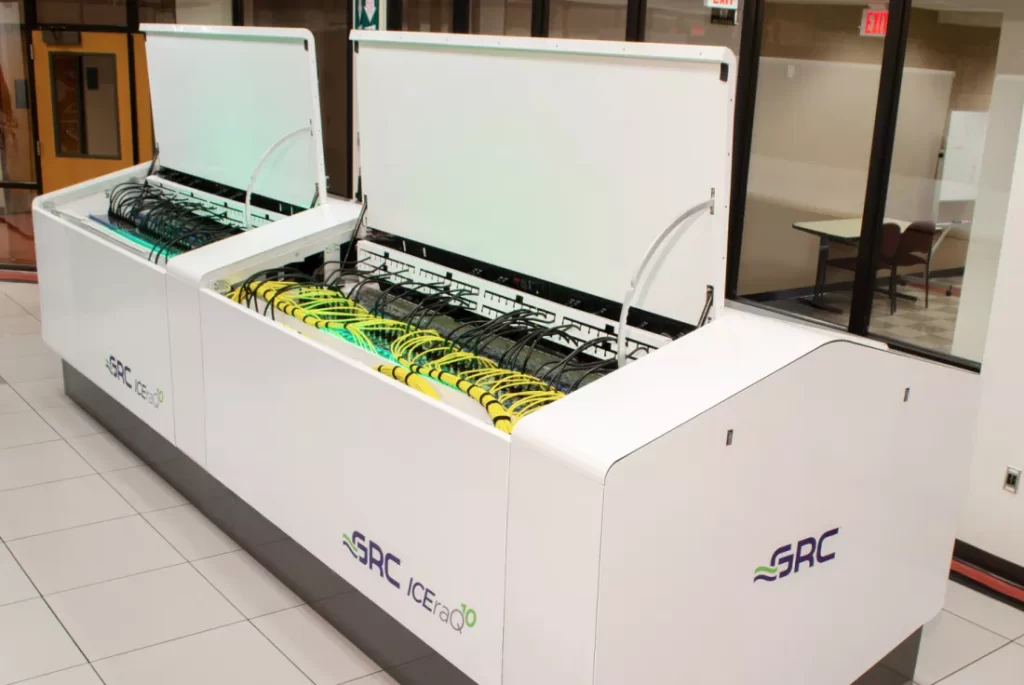
In contrast to two-phase cooling, single-phase immersion cooling is where Intel and GRC show the most interest. The former employs a heat exchanger to cool a non-conductive liquid that is pumped around a tank that holds many servers. It is less complicated than two-phase cooling, which includes chilling a liquid to a point where it turns into a gas and then boiling it back into a liquid.
“Intel is designing silicon with immersion cooling in mind, rethinking elements like the heat sink.”

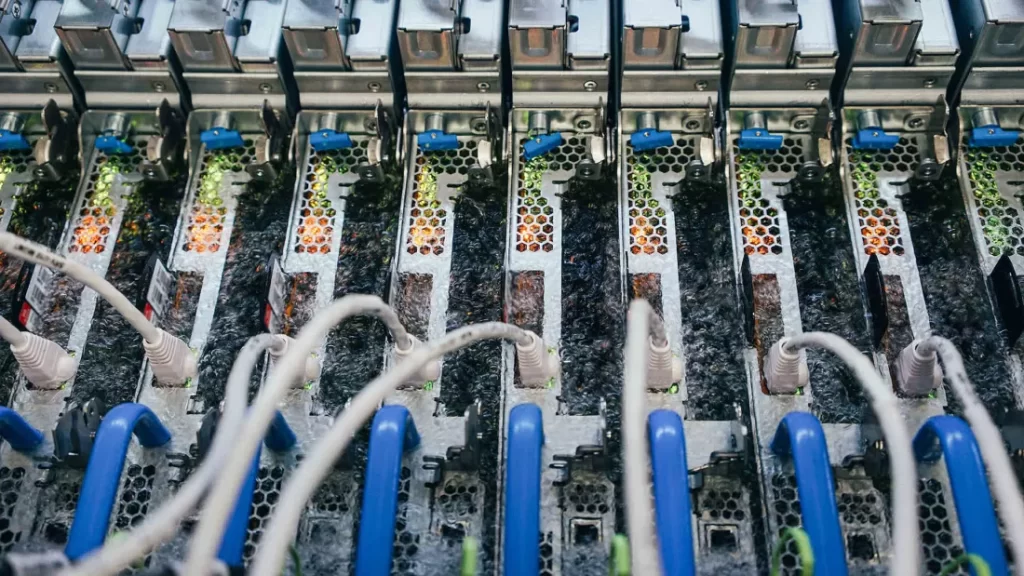
According to the white paper, immersion cooling is superior to air cooling in other ways as well. Immersion cooling would drastically reduce the amount of water that data centres consume annually for cooling and power generation. Air-cooled centres cannot be built as large as immersion-cooled centres, which saves space and lowers construction costs.
To read our blog on “In new benchmarks, the Intel Core i9-13900 engineering sample outperforms Alder Lake by 20%,” click here.