
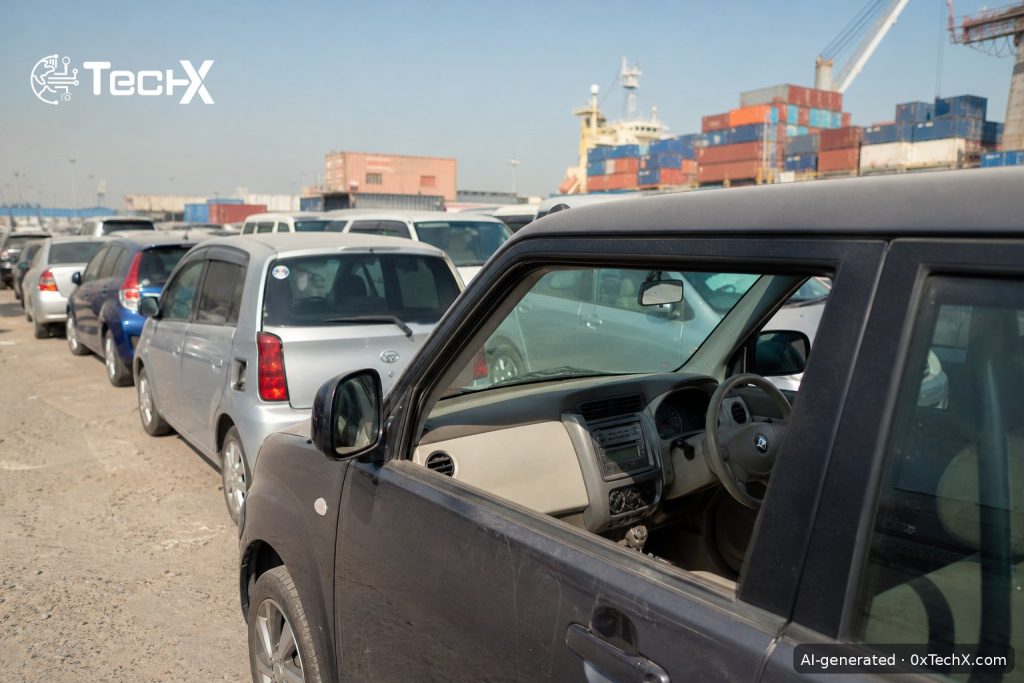
Pakistan’s used car import scheme is at the centre of a growing dispute between local automakers and importers, with Indus Motor Company (IMC) raising a loud alarm about how a facility meant for overseas Pakistanis is being used far beyond its original purpose. The numbers tell a striking story: Gift Scheme imports jumped from just 7 vehicles in May 2026 to 2,238 in September, a surge that local manufacturers say is hitting them hard.
What Is the Used Car Import Scheme and How Is It Being Misused?
Pakistan currently allows overseas Pakistanis to bring in used vehicles through two personal import routes: the Gift Scheme and the Transfer of Residence (TR) Scheme. Pakistan abolished the Personal Baggage Scheme for importing used vehicles for overseas Pakistanis, while retaining the Gift and Transfer of Residence schemes under stricter conditions aimed at preventing their commercial misuse. This change came through SRO 61(I)/2026, issued by the Ministry of Commerce on January 15, 2026.
The idea behind the Gift Scheme is simple: an overseas Pakistani can bring in a car as a gift for a family member back home. But industry bodies say the scheme is now being used as a backdoor for commercial trading. The Pakistan Automotive Manufacturers Association (PAMA) has alleged the facility is being misused to import cars for commercial trading, saying in a letter dated October 28 to the PM’s Advisor on Industries and Production Haroon Akhtar Khan that imports under the scheme surged from just seven vehicles in May 2026 to 2,238 in September.
According to PAMA, the Gift Scheme made up around 98 percent of all used vehicle imports in September, while imports under the Transfer of Residence Scheme stayed negligible. The association also pointed to the near-complete shift of used car imports from the Baggage Scheme to the Gift Scheme within a few months.
IMC Joins PAMA in Calling Out Used Car Import Scheme Abuse
Indus Motor Company (IMC), the assembler of Toyota vehicles in Pakistan, has said the misuse of the Gift Scheme for importing used vehicles and the absence of a clear, long-term automotive policy are hurting local manufacturing and discouraging investment, even as the company reported higher sales and profit for the first quarter (July-September) of the current fiscal year.
That last point is worth pausing on. IMC actually had a good quarter on paper. IMC reported a 34% year-on-year increase in vehicle sales to 13,380 units during the quarter ended September 30, 2026, with net revenue reaching Rs74.015 billion. Yet the company is still sounding the alarm, which shows just how worried the industry is about where the trend is heading.
IMC CEO Ali Asghar Jamali said the recovery in automotive demand was encouraging, but warned that the misuse of the scheme was undermining local production and diverting economic activity away from domestic manufacturers, with negative implications for employment, localisation and government revenues.
The company called for stricter enforcement of import rules, a consistent automotive policy, rationalisation of duties and taxes, better access to auto financing and incentives for vehicle exports.
Industry Running Well Below Capacity
The wider picture for Pakistan’s auto sector is one of recovery hampered by structural problems. According to PAMA, sales of locally assembled passenger cars and light commercial vehicles rose 19.4% to 50,480 units during the quarter, yet the industry is operating at an estimated 45% of its installed production capacity. That means local plants have huge room to grow, but the flood of imported used vehicles is eating into the demand those plants depend on.
Abdul Rehman, chairman of the Pakistan Association of Automotive Parts and Accessories Manufacturers (PAPAAM), termed the trend alarming, alleging widespread misuse of the Gift Scheme and urging the government to address the issue.
Not everyone agrees with the automakers, though. An importer of used cars denied any ‘misuse’ of these schemes, saying the government itself gave overseas Pakistanis the facility and that if an overseas Pakistani sells his scheme entitlement to someone else, that is not misuse. The importer also warned that banning used car imports would create a monopoly for local assemblers in Pakistan. It is a fair point, Pakistani car buyers have long complained about high prices and limited choices from local manufacturers.
What Has the Government Done So Far?
The government has already taken some steps. Vehicles imported under the remaining schemes cannot be sold or transferred for one year after import. Pre-shipment inspection certificates are also now mandatory. Any vehicle shipped after March 9, 2026, must have a valid Pre-Shipment Inspection certificate before export from Japan.
PAMA has now asked the Ministry of Commerce to urgently review the scheme and introduce safeguards against what it alleges is misuse. The ministry said it was seeking proposals from industry bodies, including PAMA and PAAPAM, for the upcoming Automobile Policy due in November. The government has not yet announced whether it will change the Gift Scheme.
For Pakistan’s auto sector, the stakes are high. A new locally assembled EV like the NEVO Hunter REEV shows that domestic manufacturing is trying to innovate and grow. But local producers say they need policy stability and a level playing field to keep investing. IMC expects demand for locally made vehicles to improve gradually over the rest of fiscal year 2026-27.
What This Means for Regular Car Buyers
If the government tightens the used car import scheme further, expect imported used vehicles to become harder to find and possibly more expensive. That could push buyers back toward locally made cars, which are often criticized for being pricier than comparable imports. On the flip side, if the scheme stays open, local manufacturers may reduce investment in new models and capacity, which also hurts consumers in the long run.
The core tension is real: overseas Pakistanis deserve genuine facilities to bring vehicles home, but those facilities should not become a commercial import channel that bypasses normal duties and rules. Getting that balance right is now one of the most important policy questions facing Pakistan’s auto sector. For more on how fuel costs affect the auto market, see our coverage of the latest petrol and diesel prices in Pakistan.
Frequently Asked Questions
What is the Gift Scheme for used car imports in Pakistan?
The Gift Scheme allows an overseas Pakistani to import a used vehicle as a gift for a family member in Pakistan. It operates under SRO 61(I)/2026 and is now one of only two personal import routes still available, after the Personal Baggage Scheme was abolished in January 2026. Vehicles imported under this scheme cannot be sold or transferred for one year.
Why is IMC worried about the used car import scheme?
IMC says the scheme is being used for commercial car trading, not genuine gifting. This brings in a large number of used vehicles that compete directly with locally made cars, cutting into sales, employment, and tax revenues. IMC flagged the issue alongside its Q1 FY2026-27 results, even as its own sales rose 34% year-on-year.
How fast have used car imports grown under the Gift Scheme?
According to PAMA, imports through the Gift Scheme rose from just 7 vehicles in May 2026 to 2,238 units in September 2026. By September, the scheme accounted for roughly 98% of all used vehicle imports in Pakistan, a dramatic shift in a very short time.
Will the government change the used car import scheme?
The government has not yet announced a final decision. PAMA has written to the PM’s Advisor on Industries and Production asking for urgent action. The Ministry of Commerce is working on a new Automobile Policy expected in November 2026, which is likely to address these concerns. Any changes could affect import volumes, vehicle prices, and the wider auto market.