
Global interest in wrist worn smart devices keeps rising as people value health tracking and quick connectivity. Markets once led by a few Western brands now show strong Asian influence. New industry data reveals steady growth across regions. Affordable fitness trackers and advanced smartwatches both attract buyers, shaping a balanced market where innovation, price, and trust decide leadership positions worldwide today for consumers everywhere.
Huawei Leads the Global Market
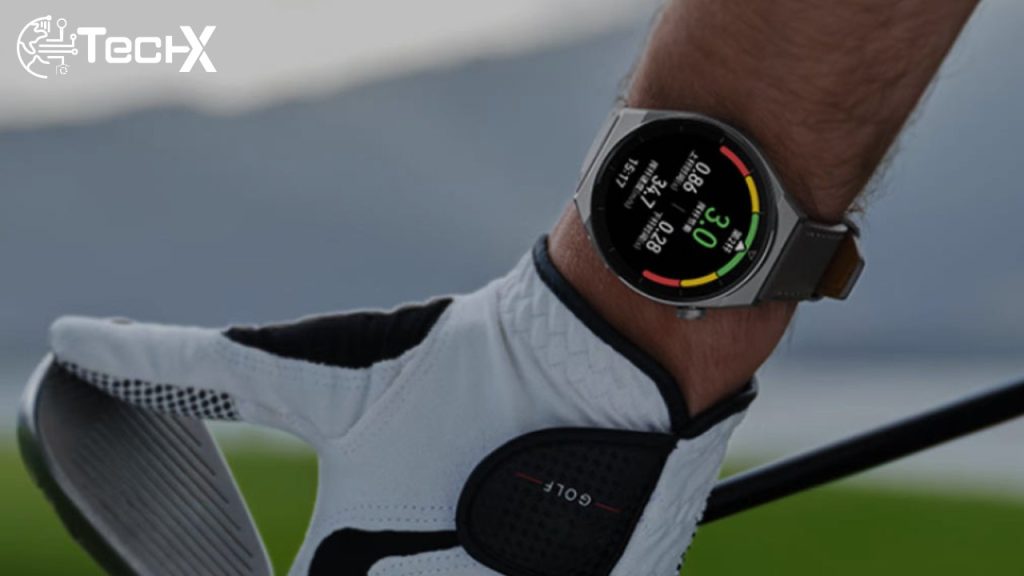
Huawei emerged as the global leader in smartwatches during the first three quarters of the year. The brand shipped 28.6 million wrist worn devices, showing impressive scale. Popular models like the Huawei Watch GT 6 and Watch GT 6 Pro drove demand by offering long battery life, refined design, and reliable health features suited for everyday users worldwide across many regions and age groups today.
Strong Performance in China
Huawei’s success was strongly supported by its strong performance in its home market, China. IDC reported that 20.8 million Huawei devices were shipped domestically, highlighting strong brand loyalty. Strong retail presence, local partnerships, and trusted software helped the company dominate shelves. At the same time, Huawei continues planning steady expansion into overseas markets for long term growth while building global confidence and awareness slowly abroad now.
Global Shipments Show Healthy Rise
Overall shipments of wrist worn smart devices increased clearly during the first nine months of the year. IDC recorded more than 150 million units shipped worldwide, marking a healthy ten percent rise year over year. This growth reflects wider acceptance of wearables for fitness, notifications, and health insights, even among first time users seeking affordable and straightforward technology across cities towns and developing markets alike.
Smartwatches and Fitness Trackers Both Shine
Smartwatches remained the dominant category, accounting for nearly 120 million shipped units globally. This represented solid yearly growth of over seven percent. However, basic fitness trackers grew even faster. Shipments reached 32.86 million units, rising more than twenty percent, as buyers preferred lighter, cheaper devices focused on steps, sleep, and daily activity monitoring for comfort, simplicity, longer battery life, casual use, and easy setup needs.
Xiaomi Records Fastest Growth
Xiaomi ranked second worldwide and achieved the fastest growth among major manufacturers. The company shipped 27.9 million devices, driven by strong demand for affordable products. Models like Xiaomi Smart Band 10 and multiple Redmi Watch versions appealed to cost conscious users. Beyond China, Xiaomi also gained traction across Southeast Asian and South American markets by offering variety, local pricing, and simple features people trust every day.
Apple Focuses on Premium Strategy
Apple placed third globally and fourth in China during the period. The company continues focusing on mid range and premium smartwatches rather than budget devices. IDC noted Apple emphasised improved connectivity, including 5G and satellite messaging features. This strategy targets users who value performance, ecosystem integration, and advanced communication over lower prices in mature markets, professional lifestyles, and long term brand loyalty worldwide today.
Samsung Recovers and Market Looks Ahead
Samsung finished fourth globally after recovering later in the year. Early struggles eased following the launch of Galaxy Watch8 and Watch8 Classic, boosting shipments. IDC expects future market growth to come from better connectivity, deeper AI use, and smarter health tracking. These advances will shape all brands, blending tradition, innovation, and everyday usefulness while guiding consumers toward healthier, connected, and informed digital lifestyles globally.