
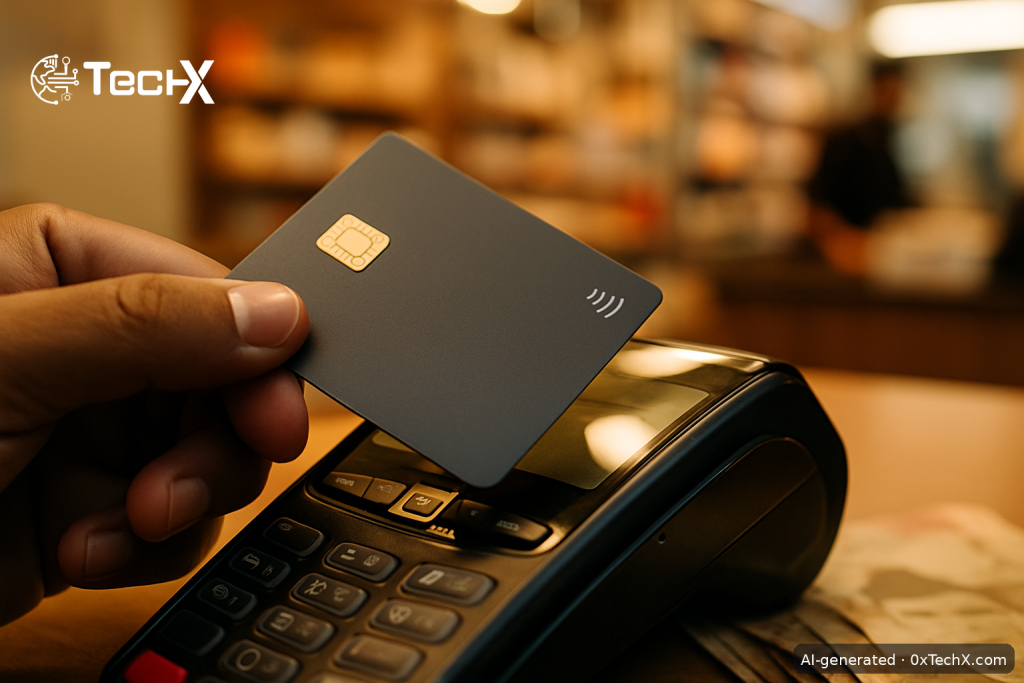
The PayPak UnionPay co-badged debit card is now a reality in Pakistan after HBL officially launched it on 15 July 2026 at a ceremony in Karachi. This single card carries two payment networks at once, letting cardholders pay at local shops through PayPak and at millions of international points through UnionPay. It is a practical step forward for Pakistanis who want one card that works both at home and abroad, without depending entirely on Visa or Mastercard.
What Is a PayPak UnionPay Co-Badged Debit Card?
A co-badged card simply means two payment networks share one piece of plastic. PayPak is Pakistan’s own domestic payment scheme, run by 1Link. UnionPay International (UPI) is a major global payments network originally from China, now accepted in over 180 countries. When you use this card inside Pakistan, it routes through the PayPak network. When you swipe it abroad or at an international terminal, it uses UnionPay.
This matters because it keeps money flowing through a locally governed system for domestic transactions, which is exactly what the State Bank of Pakistan (SBP) wants. At the same time, cardholders do not lose international usability.
HBL, PayPak and UnionPay Join Forces
HBL is well placed to lead this. HBL is Pakistan’s largest issuer of debit cards and was the pioneer partner when PayPak first launched. It has also been issuing UnionPay debit cards since 2013, so the relationships on both sides were already in place.
The co-badged card was developed in partnership with 1Link, which operates the PayPak scheme. UnionPay International brings its worldwide merchant and ATM network to the table. The formal launch ceremony was attended by SBP Governor Jameel Ahmad, HBL President and CEO Muhammad Nassir Salim, the Commercial Counsellor of China, and the CEOs of 1LINK and UnionPay International’s regional team.
HBL also has a strong China connection that makes this partnership a natural fit. It is the only Pakistani bank with branches in both Beijing and Urumqi, deepening financial ties between Pakistan and China through CPEC and beyond.
Why the SBP Is Excited About This Launch
SBP Governor Jameel Ahmad described the card as “an important milestone in Pakistan’s journey toward a modern, resilient and inclusive digital payments ecosystem.” He was clear about what the central bank wants to see next: domestic debit card issuance should default to PayPak, with co-badged options like this one providing international functionality where customers need it.
He also stressed that PayPak and the broader domestic infrastructure, including the Raast instant payment system, must sit at the heart of Pakistan’s digital economy. The goal is not just to digitise payments but to build a system that Pakistanis own and control, reducing reliance on foreign networks for every routine local transaction.
The Numbers Behind Pakistan’s Digital Payment Surge
The SBP Governor shared some striking figures at the ceremony. Pakistan’s digital payments have been growing fast:
- Retail digital transactions jumped from around 6.9 billion to nearly 12 billion in just one year.
- Active merchants accepting digital payments grew from roughly 500,000 to over 2 million, a near-fourfold increase.
- Mobile banking app users reached nearly 137 million.
- Home remittances credited digitally rose from around 80 percent to 92 percent of the total.
These numbers show the PayPak UnionPay co-badged debit card arrives at a time when Pakistani consumers and merchants are already shifting fast toward digital payments. The card could help lock in that habit by making one card practical for every situation.
What This Means for Card Sovereignty and Local Infrastructure
One angle that most coverage glosses over is why card sovereignty matters to Pakistan in practical terms. Every time a Pakistani uses a Visa or Mastercard for a local transaction, a portion of the interchange and processing fee leaves Pakistan’s financial system. PayPak keeps that value inside the country. The SBP has been pushing banks to issue PayPak as the default domestic card, and this co-badged product gives banks a clean way to do that without leaving customers without international access.
Think of it this way: a Pakistani student paying tuition at a local university uses PayPak, keeping the transaction local and cheap. The same card works at an airport abroad or on a global e-commerce site via UnionPay. One card, two jobs done.
This launch also deepens Pakistan-China financial ties at a time when trade and investment under CPEC continue to grow. UnionPay is widely accepted across China and Belt and Road countries, which includes many markets relevant to Pakistani businesses and workers.
SBP Vision 2028 and the Road Ahead
The State Bank of Pakistan’s Vision 2028 strategy sets clear targets for a cashless economy. The Cashless Pakistan programme operates under three pillars: digital payments adoption led by the SBP Governor, digital public infrastructure led by the IT Ministry, and digitisation of government payments led by the Finance Secretary. The HBL launch fits squarely into the first pillar.
Pakistan’s retail merchant universe is estimated at 4 to 5 million outlets. With 2 million now active on digital payment systems, roughly half still remain cash-only. The co-badged card push, combined with the SBP’s call for banks and fintechs to expand acceptance, is aimed at closing that gap before 2028.
For ordinary Pakistanis, the near-term impact is simple: if your HBL debit card gets upgraded to the co-badged version, you will have one card that works at the corner shop and the duty-free counter. That is genuinely useful.
Frequently Asked Questions
What is the HBL PayPak UnionPay co-badged debit card?
It is a single debit card that carries both the PayPak domestic payment network and the UnionPay international network. It was launched by HBL in partnership with 1Link (PayPak) and UnionPay International on 15 July 2026 in Karachi.
Where can I use this card?
Inside Pakistan, the card works on the PayPak network at all PayPak-accepting merchants and ATMs. Outside Pakistan, it uses UnionPay, which is accepted in over 180 countries at millions of merchants and ATMs globally.
How does this card support the SBP’s goals?
The SBP wants Pakistan’s domestic payment network (PayPak) to be the default for local debit card issuance. This co-badged card lets banks issue PayPak as the primary network while giving customers the international reach of UnionPay, so no one has to choose between local sovereignty and global usability.
What has Pakistan’s digital payment growth looked like recently?
According to SBP Governor Jameel Ahmad at the launch ceremony, retail digital transactions grew from about 6.9 billion to nearly 12 billion in one year. Active merchants using digital payments went from about 500,000 to over 2 million in the same period, and mobile banking users reached close to 137 million.