
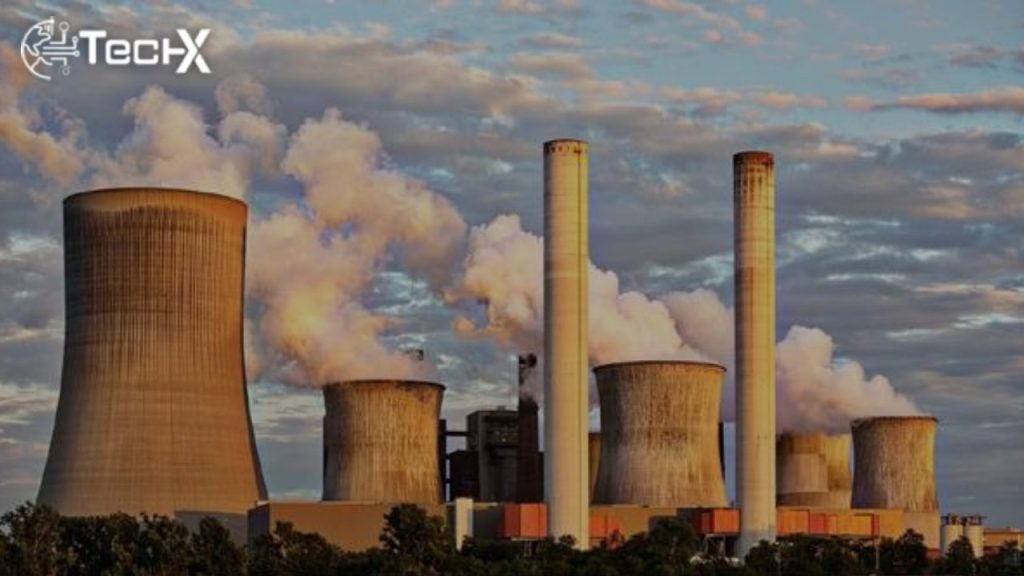
The federal government has commenced the second phase of auctioning outdated thermal power plants installed between 1970 and 1990. The Power Division confirmed that assets from GENCO-I to GENCO-IV are included in this phase. This move aims to modernize the power sector by replacing inefficient plants with advanced systems. The initiative aligns with broader energy reforms to enhance sustainability and reduce losses.
Three Major Power Plants Up for Sale
In this phase, three power plants with a combined capacity of 2,362 MW are being auctioned. These include the 880 MW Jamshoro Thermal Power Station, the 1,350 MW Muzaffargarh Thermal Power Station, and the 132 MW Faisalabad Steam Power Station. The sale of these aging facilities is expected to attract private investors interested in repurposing or replacing them with more efficient alternatives.
Progress in GENCO-I Bidding Process
GENCO-I has already received three bids for one of its lots, with Siddeeq Sons Company securing all three. The technical bid opening for GENCO-II has been postponed to May 30, while bidding for GENCO-III is expected soon. Officials revealed that GENCO-I plants were valued at Rs. 10 billion, with first-phase bids surpassing Rs. 9 billion, indicating strong investor interest.
Also Read: Pakistani Govt Plans to Increase Capital Gains Tax on Property
First Phase Saw Successful Privatization
The government previously auctioned seven outdated thermal power plants in the first phase, marking a significant step in power sector reforms. The successful sales demonstrated the private sector’s willingness to invest in energy infrastructure. This phase’s outcomes have encouraged authorities to proceed with the second round, targeting additional inefficient plants to further streamline operations and cut financial losses.
Aim to Enhance Energy Efficiency
Privatizing outdated thermal plants is crucial for improving energy efficiency and reducing circular debt. Older plants consume more fuel and have higher maintenance costs, burdening the national exchequer. By auctioning them, the government hopes to transition to modern, cost-effective power generation methods, ultimately benefiting consumers through more reliable and affordable electricity.
Circular Debt Reduction Efforts
The auction aligns with the government’s commitment to clear Rs. 2.4 trillion in circular debt by the fiscal year’s end. Selling inefficient plants will reduce operational costs and losses, contributing to debt reduction. This strategy is part of a broader plan to stabilize the power sector, ensuring sustainable energy supply and minimizing fiscal strain on the economy.
Investor Interest and Future Prospects
Strong bidding activity in the first phase indicates robust investor confidence. The government expects similar or greater interest in the second phase, given the larger capacity of the plants offered. Successful privatization will pave the way for newer technologies, such as renewable energy integration, further modernizing Pakistan’s power infrastructure.
Conclusion: A Step Towards Sustainable Energy
The second phase of thermal plant auctions underscores the government’s commitment to power sector reforms. By replacing outdated infrastructure, Pakistan can achieve greater energy efficiency, reduce costs, and attract private investment. This initiative marks a pivotal shift toward a more sustainable and financially viable energy future, benefiting both the economy and consumers in the long run.