
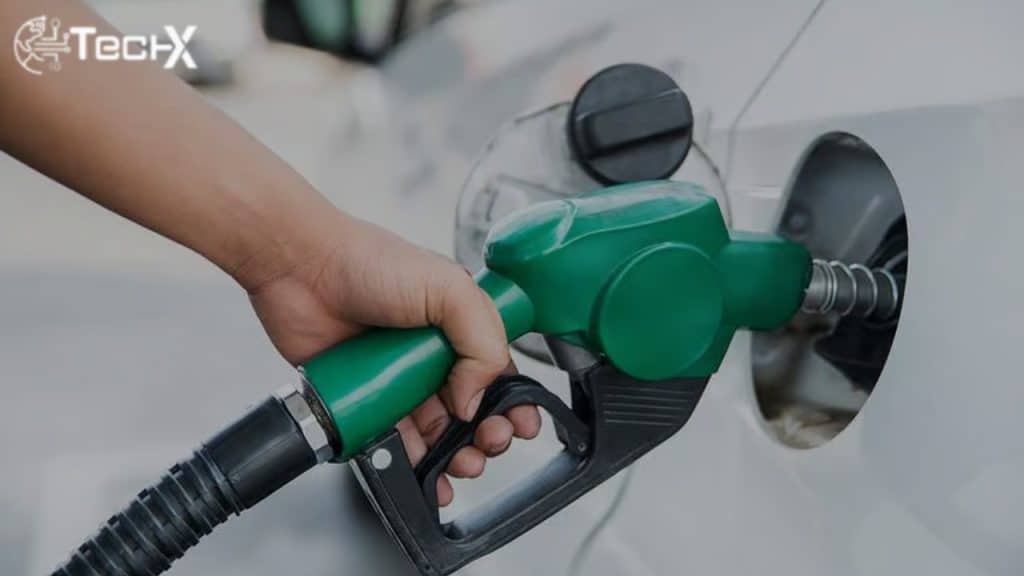
Pakistan is bracing for another fuel price hike as international oil prices surge. Official sources indicate petrol may rise by Rs. 1 per liter, while diesel could increase by Rs. 5 per liter. The new rates will take effect from June 16, adding financial strain on consumers. This adjustment follows global market trends, impacting domestic fuel pricing mechanisms significantly.
Current Petrol Prices and Impact
The existing ex-depot petrol price stands at Rs. 252.63 per liter. Petrol is widely used in private vehicles, motorcycles, and rickshaws, making it essential for daily commuters. A price hike will disproportionately affect lower- and middle-income households, increasing transportation costs. With inflation already high, even a minor increase can worsen financial burdens for millions of Pakistanis.
Diesel Price Surge and Economic Ripple Effects
High-speed diesel (HSD) is currently priced at Rs. 254.64 per liter. Diesel fuels trucks, buses, trains, and agricultural machinery, playing a crucial role in logistics and farming. A Rs. 5 increase will raise transportation costs, leading to higher food prices and broader inflation. This hike could further strain an economy already grappling with rising living expenses.
Taxation and Levies on Fuel
Despite zero general sales tax (GST) on petroleum products, the government imposes heavy levies. Petrol carries a Rs. 78.02 Petroleum Development Levy (PDL), while diesel has a Rs. 77.01 PDL. Additionally, Rs. 16 per liter is charged as customs duty on both fuels. These taxes contribute significantly to the final retail price, making fuel unaffordable for many.
Also Read: Sindh to Hire 4,400 Staff Members in Schools
Distribution and Sales Margins
Oil marketing companies and dealers receive Rs. 17 per liter as distribution and sales margins. This cost is passed on to consumers, further inflating fuel prices. Critics argue that reducing these margins could provide relief, but the government has yet to take such measures. Instead, rising global prices continue to dictate domestic fuel costs, leaving little room for consumer relief.
Impact on Inflation and Public Sentiment
Fuel price hikes directly influence inflation, particularly in food and transportation. As diesel becomes costlier, goods transportation expenses rise, leading to higher market prices. Public frustration is growing, with many demanding government intervention. However, with IMF-mandated fiscal policies, authorities have limited flexibility to absorb price shocks, worsening public discontent.
Government’s Dilemma in Pricing
The government faces a tough balancing act between fiscal stability and public welfare. Reducing taxes could ease prices but may hurt revenue targets. Conversely, maintaining high levies risks public backlash. With global oil markets volatile, Pakistan’s fuel pricing remains unpredictable, leaving consumers vulnerable to frequent adjustments.
Long-Term Solutions Needed
Experts urge long-term strategies, such as boosting domestic oil production and investing in renewable energy. Reducing reliance on imported fuel could stabilize prices and enhance energy security. However, such measures require substantial investment and policy reforms, which remain slow amid economic challenges.
Conclusion
The impending fuel price hike underscores Pakistan’s vulnerability to global oil fluctuations. With petrol and diesel costs set to rise, inflation and public frustration will likely intensify. While short-term relief seems unlikely, long-term energy reforms are crucial to mitigating future shocks. Until then, consumers must brace for continued financial strain at the pump.