
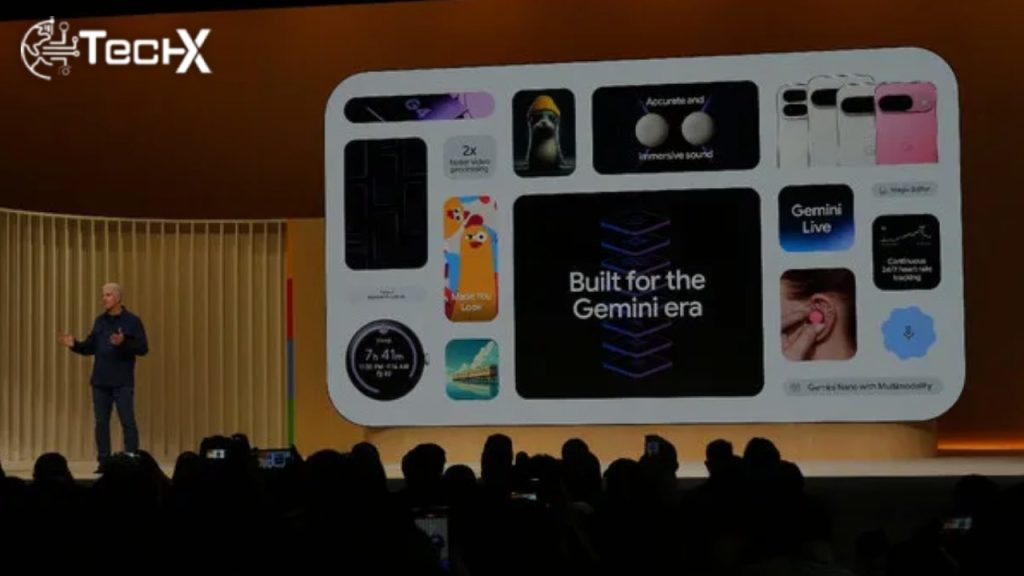
Google is preparing to launch its Gemini chatbot for children under 13, with the rollout beginning next week. The AI tool will be available to users with parent-managed Google accounts via Family Link. In an email to parents, Google announced that Gemini will help kids with homework, answer questions, and spark creativity through storytelling. This move introduces AI to a younger audience under supervised conditions.
Only children with Family Link accounts can access Gemini, requiring parents to provide personal details like their child’s name and birthdate. This ensures parental oversight while allowing kids to explore AI responsibly. Google aims to make Gemini a safe, educational tool, but concerns remain about how children will interact with AI. The company emphasizes parental involvement in guiding usage.
Safety Measures and Data Handling
Google assures parents that Gemini includes built-in safeguards to prevent inappropriate content. Spokesperson Karl Ryan confirmed that child account data won’t train the AI, addressing privacy concerns. However, Google acknowledges imperfections, warning parents that Gemini may make errors. Families are advised to teach children critical thinking when evaluating AI responses.
Parents are also cautioned against sharing sensitive information with Gemini. The company’s email stresses that the chatbot is not human and should not replace parental guidance. These measures aim to mitigate risks while allowing children to benefit from AI. Still, experts warn that generative AI can sometimes produce misleading or harmful content.
Also Read: Google Rolls Out Gemini’s Real-Time AI Video Features
Balancing Innovation and Risk
Tech companies are racing to engage young users with AI-powered tools, integrating them into education and entertainment. Google’s Gemini joins this trend, offering homework help and creative storytelling. However, child safety advocates urge caution, noting that AI can confuse or manipulate children who struggle to differentiate between human and machine interactions.
UNICEF has highlighted risks associated with generative AI, calling for stricter ethical guidelines. Their research warns that AI can generate harmful content, requiring robust safeguards for young users. As AI becomes more prevalent in children’s lives, balancing innovation with safety remains a key challenge.
Parental Controls and Legal Compliance
Google’s rollout includes notifications for parents when their child first uses Gemini, allowing them to adjust settings or disable access. The company emphasizes compliance with COPPA, a U.S. law requiring parental consent for data collection from children under 13. This legal framework ensures child privacy protections are in place.
Other tech giants have faced scrutiny over child-focused platforms, such as Meta’s paused Instagram Kids project. Google’s YouTube Kids, launched in 2015, succeeded by prioritizing safety. However, past fines for child privacy violations remind companies to prioritize compliance as they expand into youth markets.
Final Thoughts
Gemini’s introduction for children under 13 marks a significant step in AI accessibility but raises ethical questions. While the tool offers educational benefits, ensuring child safety requires ongoing vigilance. Parents must stay engaged, guiding their children’s AI interactions responsibly. As technology evolves, the balance between innovation and protection remains crucial for young users.