
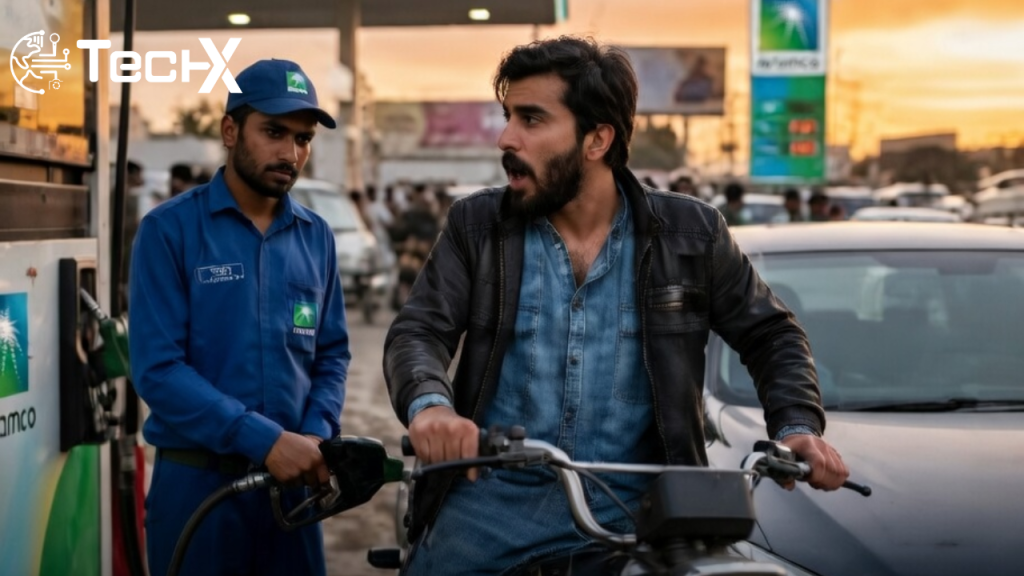
The recent surge in fuel prices has placed significant economic pressure on citizens across Pakistan. Petrol has risen to Rs. 458.41 per liter, while diesel has reached Rs. 520.35 per liter. This dramatic increase is considered unusual and is expected to impact almost every aspect of daily life, particularly in a country where transportation and daily activities heavily depend on fuel.
Table of Contents
ToggleReasons Behind the Price Hike
According to government officials, the primary reasons for this increase are record-high global oil prices and regional instability. International market trends directly influence countries like Pakistan, especially when combined with currency depreciation. As a result, it becomes increasingly difficult for the government to maintain lower fuel prices without putting additional strain on the national economy.
Impact on Transportation Sector
The rise in fuel prices will directly affect transportation costs. Public transport fares, ride-hailing services, and delivery charges are all expected to increase. Since diesel is widely used in heavy vehicles and goods transport, the cost of moving essential items such as food and construction materials will also rise, further burdening consumers. This impact may be felt more strongly in major cities like Karachi where transport demand is higher.
Effect on Inflation
Fuel price hikes contribute significantly to overall inflation. As transportation and production costs increase, businesses often pass these costs on to consumers. This leads to higher prices for everyday goods, including groceries and basic necessities, making it harder for average households to manage their expenses.
Government Relief Measures
To reduce the burden on citizens, the government has announced targeted subsidies. A subsidy of Rs. 100 per liter will be provided for motorcycles and intercity transport, while trucks and goods transport will receive Rs. 70,000 per month. These measures aim to support lower-income groups and maintain the supply chain.
Limitations of Subsidies
Despite these relief efforts, subsidies may not fully offset the impact of such a large price increase. There are often challenges in fair distribution and implementation, which means that many people may still face higher costs. Therefore, the effectiveness of these measures remains limited in providing complete relief.
Conclusion and Public Response
In conclusion, the increase in fuel prices reflects broader economic challenges, including fiscal pressure and international obligations. Citizens are being advised to manage fuel consumption carefully and adopt cost-saving practices such as carpooling and using public transport. This situation highlights the need for both government action and public adaptation to cope with ongoing economic difficulties in Pakistan.