
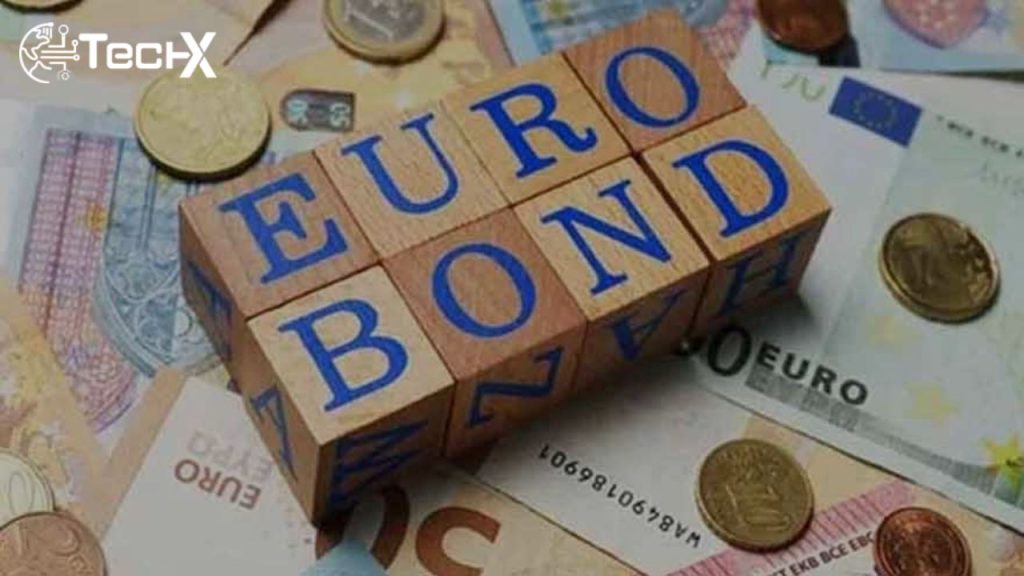
Pakistan has achieved an important financial goal by repaying its $500 million Eurobond that matured on September 30, 2025. The Ministry of Finance confirmed the development on Wednesday, calling it a sign of responsibility and financial discipline. The repayment has been viewed as a significant step for Pakistan’s economic stability and a signal to global investors about the country’s commitment to fulfilling its obligations.
Advisor Confirms Bond Repayment
Khurram Schehzad, Advisor to the Finance Minister, announced the update on X, confirming that the Eurobond repayment was completed on time, without any delays. The bond was originally issued in 2015 with 10 term and matured on September 30 this year. Meeting this commitment reflects the government’s efforts to maintain confidence in international markets and strengthen Pakistan’s reputation in the financial world.
Sign of Growing Economic Stability
Schehzad explained that the timely repayment shows Pakistan’s improving financial health. He pointed out that debt servicing has been smooth due to better liquidity and stronger external buffers. This achievement has also helped boost investor trust, as Pakistan’s bonds are now trading at a premium. It marks a positive change in the country’s market outlook, signaling progress in both financial discipline and investor confidence.
Debt-to-GDP Ratio Improves
The advisor also shared updated debt figures to highlight progress. Pakistan’s debt-to-GDP ratio has declined from 77% in FY20 to 70% in FY25, showing reduced reliance on heavy borrowing. Additionally, the share of external debt in total public debt has fallen from 38% to 32%. This drop is important because it lowers the risks linked to foreign exchange movements, creating more financial stability for the economy in the long run.
Also Read: China Officially Opens World’s Highest Bridge to the Public
Slower Growth of Public Debt
Another positive sign highlighted by Schehzad was the slowing pace of public debt growth. Unlike earlier years, where debt grew quickly, the current year has seen a more controlled increase. This indicates that the government is taking careful measures to manage borrowing responsibly. By controlling debt growth, Pakistan aims to strengthen its financial foundations and create space for better economic planning in the future.
Easier Borrowing Terms Ahead
Looking forward, Schehzad expressed hope that easing global borrowing costs and Pakistan’s stronger fundamentals will allow the country to secure loans on more favorable terms. This will not only reduce borrowing costs but also help in building a more sustainable debt structure. Such improvements can ensure that future generations are less burdened by repayments, while keeping international investors satisfied with Pakistan’s fiscal direction.
Reserves Record Modest Increase
The advisor also highlighted improvements in the country’s foreign exchange reserves. According to the State Bank of Pakistan, reserves increased by $22 million in the week ending September 19, bringing the total to $14.38 billion. Although the gain may look modest, it is still a positive sign of stability. Higher reserves mean Pakistan has a stronger cushion to handle external shocks and meet payment requirements on time.
Ongoing IMF Talks
At the same time, the government continues its talks with the International Monetary Fund. Discussions cover the second review of the $7 billion Extended Fund Facility, along with the first review of the Resilience and Sustainability Facility. Successful progress with the IMF program will further strengthen investor confidence and ensure continued international support. This could complement Pakistan’s bond repayments and help improve its overall economic future.