
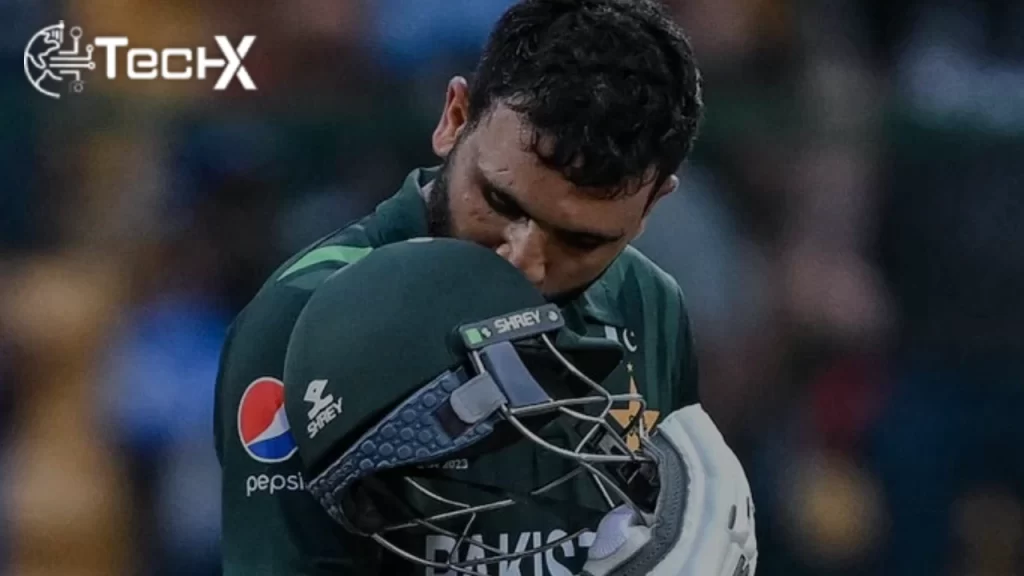
Pakistan cricket has been abuzz with the recent developments involving opener Fakhar Zaman and the Pakistan Cricket Board (PCB). After a significant disciplinary concern related to a social media post about captain Babar Azam, it appears that Zaman is on the verge of being reintegrated into the national team and the central contracts list. Reports suggest that PCB intends to handle this situation with a mere warning rather than severe penalties.
The Dispute: A Closer Look
Fakhar Zaman’s dispute with PCB stemmed from a controversial social media post that allegedly breached the players’ code of conduct. The specifics of the post, which referenced team captain Babar Azam, were not disclosed in detail, but it triggered a swift response from the cricket board. The incident highlights the growing scrutiny over players’ online activities and the expectations set by cricket boards regarding public communications.
PCB’s Response to the Breach
In response to Zaman’s actions, the PCB has decided to issue a warning. This approach suggests a shift towards more lenient handling of certain disciplinary issues within the team. The decision could be seen as an attempt to maintain team harmony and focus on upcoming cricket challenges, especially with crucial series and tournaments on the horizon.
Implications for Fakhar Zaman
For Fakhar Zaman, this resolution could mark a critical point in his career. Being potentially reinstated in the national white-ball team and the PCB central contracts list means not only financial security but also an opportunity to contribute to Pakistan’s cricket ambitions. It underscores the importance of maintaining professional conduct while also highlighting the board’s willingness to forgive and focus on players’ on-field contributions.
Also Read: Zayan Ali Khan Breaks National Under-10 Backstroke Record!
Team Dynamics and Player Conduct
The incident brings to light the delicate balance teams must manage regarding player behavior and team dynamics. As social media becomes increasingly woven into players’ lives, managing perceptions and interactions online is becoming a crucial aspect of modern sports management. Teams must navigate these challenges without disrupting the essential unity and focus needed for success.
The Role of Leadership in Resolving Disputes
Leadership within the team, particularly from figures like Babar Azam and the coaching staff, plays a pivotal role in resolving such disputes. Their approach to handling Zaman’s situation, focusing on mediation and internal discussion rather than public reprimand, can foster a more supportive and cohesive team environment. This strategy not only helps in maintaining player morale but also sets a precedent for handling similar issues in the future, emphasizing the role of leadership in crisis management.
Impact on Team Performance
The resolution of this dispute is crucial for the overall performance of the team. Players in a harmonious environment are likely to perform better, as they can focus more on the game and less on off-field issues. For Pakistan, a team that has seen its fair share of internal conflicts, smooth resolution of such issues can be a significant boost ahead of international fixtures, potentially improving their standings and team dynamics on the global stage.
Public and Fan Reaction
The fan base and broader public closely watch how such situations are handled. The decision to resolve the matter with a warning rather than a harsh penalty might be met with mixed reactions; however, it generally signals to fans that the board is committed to maintaining a strong team by focusing on rehabilitation rather than punishment. This approach can help in maintaining fan support and trust in the management’s decisions.
Legal and Ethical Considerations
While managing such disputes, PCB must navigate both legal and ethical considerations. Ensuring that their decisions align with both the legal framework governing player contracts and the ethical standards expected in sports is crucial. This balance helps protect the organization from potential legal challenges and upholds its reputation as a fair and principled governing body.
Conclusion
The swift resolution of the dispute between Fakhar Zaman and the PCB underscores a pragmatic approach to governance in modern cricket, emphasizing rehabilitation over harsh penalties. This incident not only preserves a key player’s career but also reinforces the importance of leadership and proper conduct within the sport. Looking forward, the PCB’s handling of this situation could set a precedent for future disciplinary issues, promoting a focus on unity and performance. By learning from these experiences, the PCB can enhance its player management strategies, ensuring that the sport thrives both competitively and ethically on the international stage.