
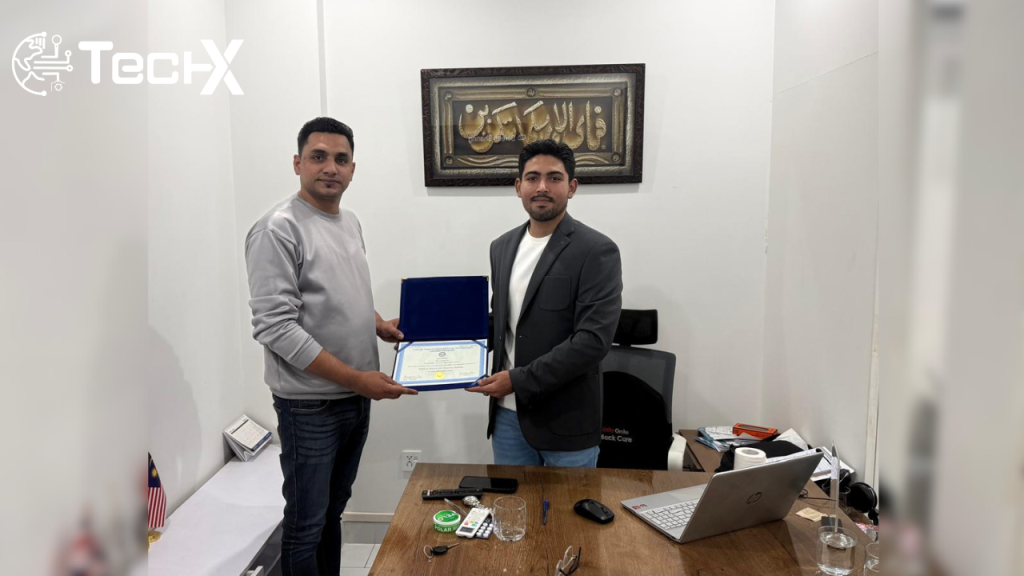
In recent years, technology education has become one of the most powerful tools for empowering underserved communities. One notable example of this impact can be seen through the work of Abdul Razzaq, who served as a Senior Volunteer Mentor at Teach for Pakistan. Through his leadership and dedication, Abdul Razzaq contributed significantly to equipping underprivileged students with practical digital skills and preparing them for opportunities in the modern technology sector.
Designing a Practical Web Development Training Program
During his tenure, Abdul Razzaq designed and delivered a structured web development training program specifically tailored for students from diverse and disadvantaged backgrounds. Rather than focusing only on theoretical knowledge, he created a curriculum that mirrored real-world industry expectations. The program introduced students to fundamental web technologies such as HTML, CSS, and JavaScript while emphasizing responsive design, DOM manipulation, and the development of interactive web applications. By structuring the program around practical learning, students were able to build complete web projects and gain hands-on experience in developing and deploying websites.
Holistic Mentorship and Continuous Student Development
What made Abdul Razzaq’s contribution particularly impactful was his holistic mentorship approach. Beyond teaching technical content, he closely monitored student progress throughout the program. He reviewed weekly assignments, conducted evaluations, and provided personalized feedback to help students strengthen both their technical understanding and professional mindset. This continuous mentorship ensured that learners developed essential problem-solving abilities, logical thinking skills, and the confidence required to pursue careers in technology.
Supporting Instructors and Strengthening the Teaching Framework
His role also extended to supporting fellow instructors within the program. Abdul Razzaq actively shared curriculum strategies, teaching methodologies, and best practices with other volunteers, helping maintain a consistent and effective learning environment. This collaborative approach improved the overall quality of instruction and ensured that the training program remained aligned with industry needs.
Mentoring 200+ Students and Building Real-World Web Projects
Over the course of the four-month program, Abdul Razzaq mentored more than 200 students, guiding them through a comprehensive learning journey that culminated in the creation of fully functional web applications. These projects not only demonstrated the students’ technical capabilities but also prepared them for employment opportunities and freelancing in the digital economy.
Bridging the Gap Between Education and Employment
The broader impact of his work lies in how it bridged the gap between education and employment. Many students who previously had limited access to technology education were able to gain practical skills and envision new career paths in the tech industry. By empowering young learners with digital knowledge, Abdul Razzaq contributed to social mobility, inclusion, and long-term community development.
Conclusion: A Model of Impact Through Technology Mentorship
Through his dedication to mentorship, education, and technical empowerment, Abdul Razzaq’s work stands as an inspiring example of how technology training can transform lives and strengthen communities.