
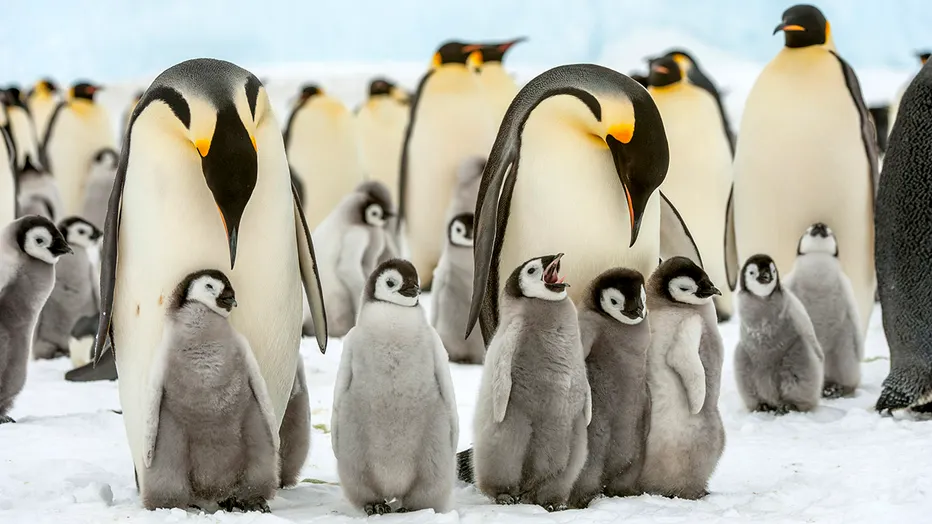
According to a WWF report, at current greenhouse gas emission levels, 80% to 100% of all known emperor penguin colonies face extinction by 2100.
Emperor penguins and reindeer were among the species highlighted in a World Wildlife Fund (WWF) report as being severely threatened by climate change’s cascading effects.
According to the International Environmental Organization’s annual report, which was released on Thursday, thousands of species are facing declining populations and increased threats.
According to the report, more than 42,100 animal and plant species are currently listed as threatened on the global red list of endangered species, accounting for more than 30% of all species found there.
Emperor penguins may become extinct
In the Taimyr region of the Russian Arctic, there were one million reindeer in 2000. The largest reindeer population at the time has now shrunk to less than a fourth of its original size. The primary causes of the loss, according to the WWF, are climate change and poaching.
According to the report, “at current greenhouse gas emission levels, between 80 and 100% of all known emperor penguin colonies are at risk of extinction by 2100.”
The tiger population is growing
At the same time, the WWF study cited the increased tiger population in Nepal and the protection of humpback whales in Australia as examples of successful species conservation.
According to an earlier WWF report, wildlife populations have declined by 69% on average since 1970. This was attributed to “interlinked emergencies of human-induced climate change and the loss of biodiversity.”
To read our blog on “DESCON and WWF-Pakistan to remove plastic garbage from Waste-Water Channels of Lahore,” click here