
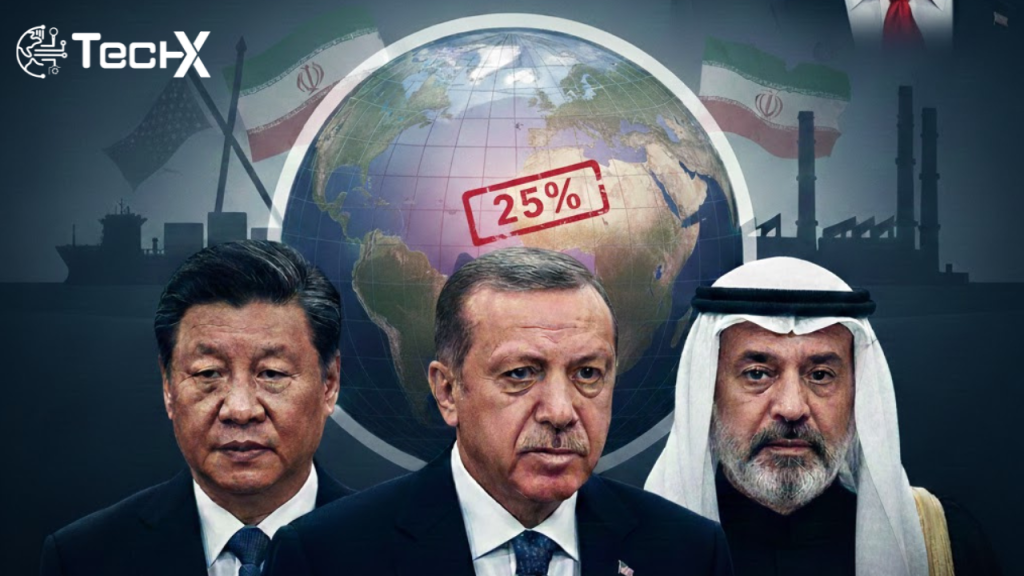
US President Donald Trump publicly announced that any country trading with Iran could face an additional 25% tariff on their business with the United States. While widely reported by news outlets this is a statement by Trump as a former president and does not yet constitute official US government policy. Therefore it is best understood as a warning or advisory to countries considering trade with Iran rather than a legally enforceable tariff.
Potential Impact on Key Countries
Despite not being an official law the announcement has drawn attention from major trading partners like China Turkey and the UAE. China which imports and exports oil and commodities with Iran may face potential economic pressure if US trade relations are affected. Turkey engaged in energy and consumer goods trade with Iran and the UAE a major re export hub for Iranian goods could also face strategic and financial challenges. Even as a warning the statement could influence these countries decisions on trading with Iran.
Economic and Diplomatic Implications
If implemented in any form a 25% tariff could significantly increase the cost of trade with the US for countries working with Iran. Exporters would see their profit margins shrink and consumers might face higher prices. Diplomatically the announcement could create tension between the US and the countries mentioned potentially leading them to reconsider trade routes explore alternative partners or even pursue negotiations to avoid conflict.
Current Status and Verification
This announcement has been reported by verified news sources. However there is no official confirmation from the current US administration that such a tariff has been legally enacted and implementation details remain uncertain.
Conclusion
In summary Donald Trump statement highlights a potential economic and diplomatic challenge for countries trading with Iran. While not legally binding it signals a risk for global trade dynamics and could influence strategic decisions among major international trading partners. The actual impact will depend on whether the current US government chooses to adopt similar measures officially.