
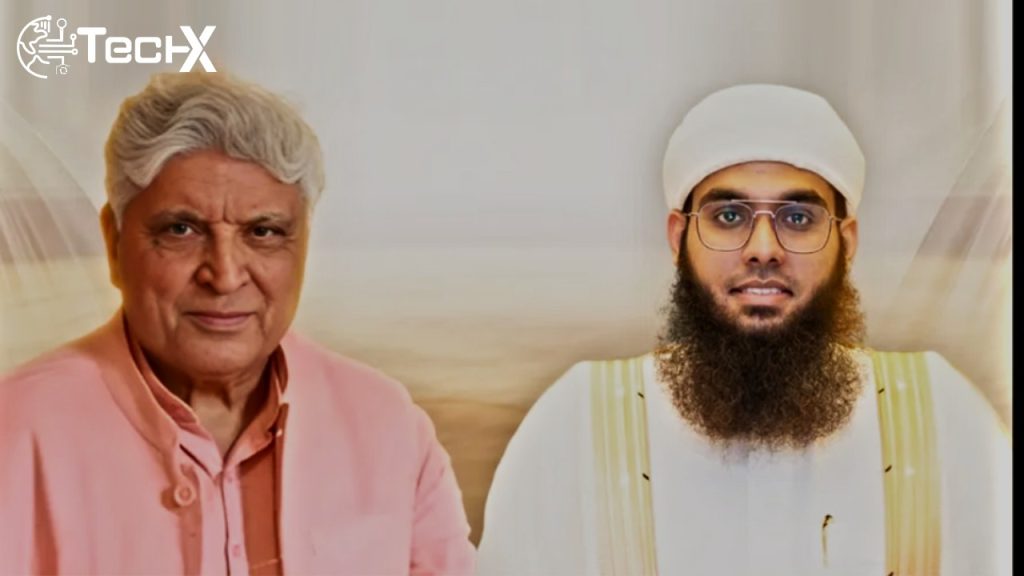
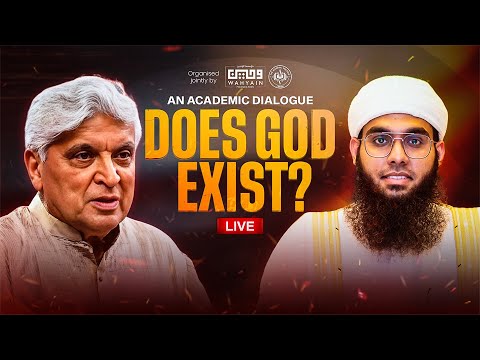
A widely shared debate between writer Javed Akhtar and Islamic scholar Mufti Shamail Nadwi on the existence of Allah has stirred intense discussion across social media platforms. The exchange brought together skepticism and theology, drawing large audiences and strong reactions from viewers.
Javed Akhtar Questions Faith Through Suffering
Javed Akhtar presented a skeptical viewpoint, questioning how belief in God can coexist with widespread injustice, oppression, and human suffering. He framed his argument philosophically, suggesting that the presence of cruelty in the world casts serious doubt on the idea of a benevolent, all-powerful creator.
Mufti Shamail Nadwi Responds With Theology and Reason
Mufti Shamail Nadwi countered these concerns by emphasizing the order of the universe, moral law, and divine wisdom. He argued that existence itself reflects purposeful design and that faith cannot be judged solely through human suffering, which is often misunderstood when removed from its moral and spiritual framework.
Free Will as the Central Argument
A defining moment of the debate came when Mufti Shamail explained the concept of human free will. He clarified that injustice, violence, and oppression are outcomes of human choice, not divine action. By granting free will, God places responsibility on individuals, preserving accountability, morality, and justice.
Who Won the Debate?
Following the debate, a large section of viewers and commentators concluded that Mufti Shamail Nadwi emerged as the stronger side. Many felt his responses were structured, calm, and rooted in both logic and theology. His explanation of free will and moral responsibility was widely described as clear and convincing, addressing the core concerns raised during the discussion.
Public Reaction and Viewer Consensus
Clips from the debate circulated widely on social media, where many users praised Mufti Shamail’s clarity and composure. While Javed Akhtar’s questions sparked reflection, the audience consensus favored Mufti Shamail Nadwi for presenting a more complete and coherent argument.
Watch the Full Debate on YouTube
Readers can watch the complete discussion here:
Watch the full debate on YouTube:
A Debate That Continues to Resonate
The exchange remains a powerful example of intellectual engagement between belief and skepticism. While discussions on faith may never end conclusively, this debate left a strong impression, with many viewers feeling that, when clearly explained, reasoned theology still holds persuasive power in modern discourse.