
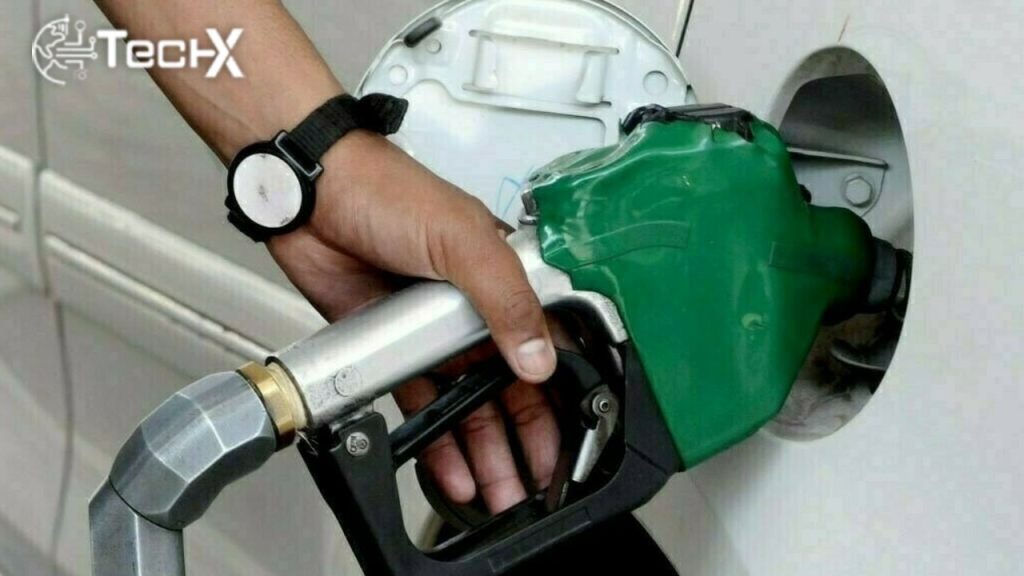
The government has recently announced a reduction in the prices of various fuels, including high-speed diesel, kerosene, and light diesel. Effective December 16, 2024, the price of high-speed diesel has dropped by Rs. 3.05 per litre, bringing the new rate to Rs. 255.38. This price cut is expected to bring some much-needed relief to the public, especially during the colder months.
Petrol Prices Remain Unchanged
While the prices of diesel and other fuels are decreasing, the government has confirmed that the price of petrol will remain unchanged at Rs. 252.10 per litre for the next two weeks. This decision to maintain the price of petrol provides stability and predictability for consumers who rely on petrol for their vehicles. The unchanged rate of petrol will help people plan their travel expenses without the added stress of fluctuating fuel prices.
Kerosene Prices Reduced
In addition to the diesel price reduction, kerosene has also seen a significant drop of Rs. 3.32 per litre. The new price for kerosene oil is Rs. 161.66 per litre. This price cut is particularly helpful for households that use kerosene for heating purposes, especially during the winter months. Many families rely on kerosene as an affordable source of warmth, and the price reduction will assist in reducing their energy costs.
Light Diesel Prices Drop
Light diesel has also benefited from a price cut. The price of light diesel has decreased by Rs. 2.78 per litre, bringing it down to Rs. 148.95. Light diesel is often used for industrial and agricultural activities, and the reduced price will help businesses and farmers save on fuel costs. This is particularly important in the context of the current economic challenges, as many sectors rely on diesel for machinery and transportation.
Also Read: Uraan Plan Targets USD 1 Trillion Economy by 2035: PM Shahbaz
Timely Reduction Amid Winter Demand
The decision to reduce fuel prices is timely, as it comes during a period of heightened demand for certain fuels. During the winter season, the demand for kerosene and light diesel tends to rise due to increased use for heating and industrial operations. By reducing the prices of these fuels, the government is helping to alleviate the financial burden on citizens, particularly those in rural and industrial areas who depend on these fuels.
Balancing Affordability and Accessibility
The government’s move to balance fuel prices is a strategic approach to maintain affordability and accessibility. While the price of petrol remains constant, the reduction in other fuel prices aims to address the diverse needs of the public. This measure will not only help individuals but also support the broader economy by easing transportation and energy costs for businesses, industries, and households alike.
Government’s Efforts to Manage Inflation
Fuel price adjustments are a critical part of the government’s ongoing efforts to manage inflation and support economic stability. By providing these price reductions, the government is taking proactive steps to ensure that the public can access essential fuels at more affordable rates. These price cuts are especially important as they come at a time when many people are feeling the financial strain due to rising living costs.
Impact on Households During Winter
As the winter season approaches, the reduction in the price of kerosene and light diesel is expected to be a welcome relief for many households. In colder regions, where kerosene is a primary source of heating, this price drop will make a significant difference in household budgets. Likewise, the decrease in diesel prices will benefit both transportation and industrial sectors, ensuring smoother operations during the high-demand winter months.
Government’s Commitment to Public Welfare
The government’s strategy to control fuel prices and offer price reductions reflects a broader commitment to the welfare of citizens. By providing stable prices for petrol and reducing the costs of other fuels, the government is helping to ensure that essential energy sources remain within reach for the average consumer. This move also demonstrates a sensitivity to the economic challenges faced by the public in these times of uncertainty.
Conclusion
Overall, the announcement of the fuel price reductions, particularly the Rs. 3.05 decrease in high-speed diesel, is a welcome development. It brings a much-needed respite to consumers who have been facing rising fuel costs. As the government continues to monitor fuel prices, these reductions signal a willingness to take action to ease the financial pressure on the public while supporting the country’s overall economic health.