
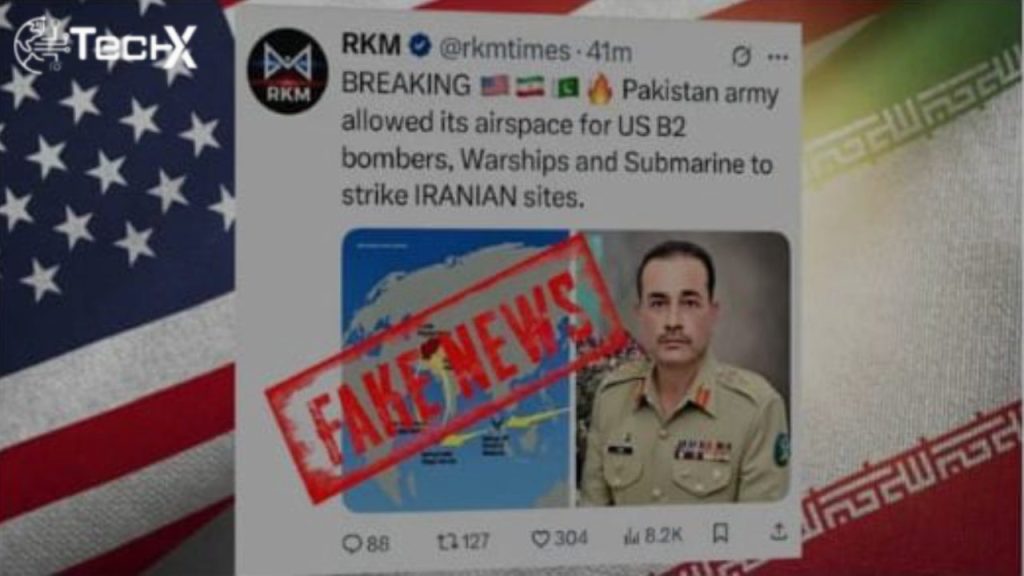
In a significant geopolitical development, U.S. B-2 stealth bombers reportedly bypassed Pakistani airspace during precision strikes on Iran’s nuclear facilities. Instead, the aircraft utilized Indian airspace, flying westward from Guam to their targets. This strategic move highlights the complex dynamics of regional alliances and military operations in South Asia and the Middle East.
Flight Path: From Guam to Iran
According to sources, the B-2 bombers departed from Guam (15°N, 145°E) and traversed the Pacific Ocean before entering the Andaman Sea (10°N, 95°–100°E). From there, they flew over Central India (20°N, 75°–80°E) and proceeded toward the Arabian Sea, ultimately striking targets near Iran’s border (25°–30°N, 60°–65°E).
Pakistan’s Airspace Remained Unused
Authoritative sources confirmed that Pakistan’s airspace was not accessed during the operation. This decision may reflect U.S. strategic considerations, avoiding potential diplomatic complications with Islamabad. The exclusion of Pakistani airspace underscores the sensitivity of regional geopolitics, especially given Pakistan’s historical ties with Iran and its stance on neutrality in foreign conflicts.
Also Read: Pakistan Nominates Donald Trump for Nobel Peace Prize
Pakistan Condemns US Strikes on Iran
Pakistan has officially denounced the U.S. military action against Iran, reaffirming its neutral stance in global conflicts. The government emphasized its commitment to diplomatic solutions and expressed solidarity with Iran amid rising tensions. Islamabad’s response aligns with its policy of non-alignment and opposition to external military interventions in sovereign states.
Political and Diplomatic Support for Iran
Pakistan has extended full political, moral, and diplomatic support to Iran, condemning what it terms as “Israeli aggression.” The country has reiterated Iran’s right to self-defense, reflecting its broader foreign policy of advocating for peaceful conflict resolution. This stance reinforces Pakistan’s efforts to balance relations with both regional and global powers.
Strategic Implications of the Airspace Decision
The U.S. choice to avoid Pakistani airspace may indicate caution in engaging Islamabad amid its neutral stance. Alternatively, it could reflect pre-existing operational agreements with India. The incident highlights the evolving military and diplomatic strategies of global powers in the region, with airspace access becoming a critical factor in geopolitical maneuvering.
Conclusion: A Delicate Balance in Regional Politics
The exclusion of Pakistani airspace in the U.S. strike on Iran underscores the delicate balance of power in South Asia and the Middle East. Pakistan’s condemnation of the attack and support for Iran reaffirm its independent foreign policy. As tensions persist, the role of regional airspace in military operations will remain a key consideration for global powers navigating complex alliances.