
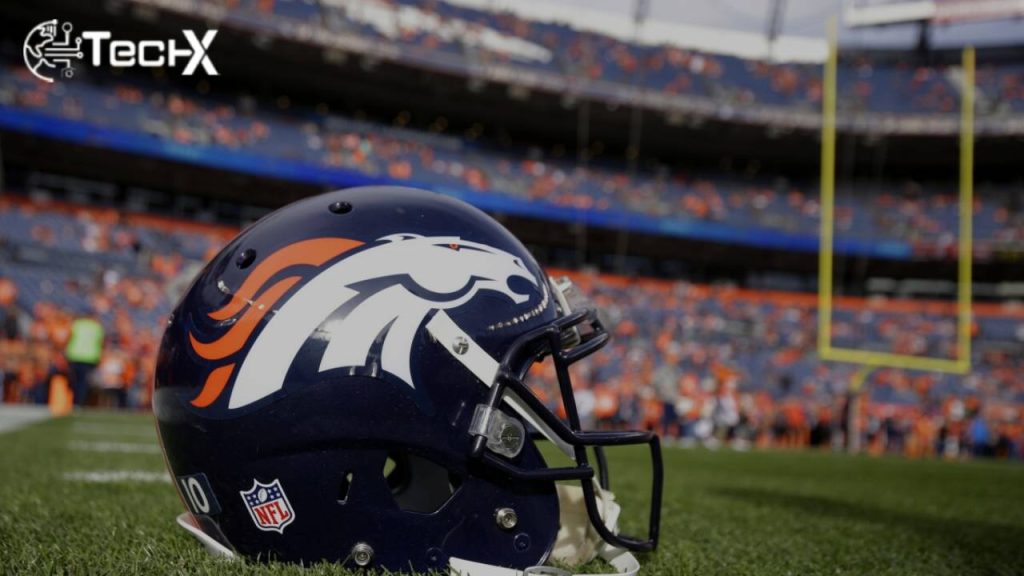
The Denver Broncos are a cornerstone of American football, a franchise shaped by patience, strength, and tradition. Since their founding in 1960, the Broncos have grown from a struggling new team into one of the most respected names in the National Football League (NFL). Their story blends old-school toughness with modern ambition, creating a legacy that continues to inspire fans across generations.
Origins of the Denver Broncos
Foundation and AFL Entry
The Denver Broncos were established in 1960 as a charter member of the American Football League (AFL). At that time, professional football was still finding its national footing, and Denver was not considered a major sports market. Early seasons were difficult, with limited success on the field and financial challenges off it.
Transition to the NFL
In 1970, the AFL merged with the NFL, and the Broncos joined the league’s American Football Conference (AFC). This merger gave Denver a larger stage and stronger competition. Although success did not come immediately, the move laid the foundation for long-term growth and stability.
Building an Identity
Early Struggles and Lessons
The Broncos spent their first years learning the hard truths of professional football. Losses were frequent, but these seasons helped build discipline and resilience. The team slowly developed a reputation for effort and loyalty, values that still define the franchise today.
Birth of a Defensive Mindset
Defense became the heart of Denver football. Coaches and players embraced physical play, teamwork, and structure. This mindset would later shape some of the most successful periods in team history.
The Orange Crush Era
Defensive Dominance
In the 1970s, the Broncos introduced the famous “Orange Crush” defense. This unit focused on pressure, speed, and smart positioning. It transformed the team into a playoff contender and changed how the league viewed Denver.
First Super Bowl Appearance
The Orange Crush defense carried the Broncos to their first Super Bowl appearance. Although they did not win, the achievement marked a turning point. Denver was no longer an underdog; it was a serious force in the NFL.
The John Elway Era
Arrival of a Franchise Quarterback
The drafting of John Elway in 1983 reshaped the Broncos’ future. Elway brought leadership, arm strength, and confidence. Under his guidance, Denver reached multiple Super Bowls during the late 1980s.
From Heartbreak to Triumph
Despite frequent Super Bowl appearances, championships remained out of reach for years. These losses tested the team and its fans. Persistence paid off in the 1997 and 1998 seasons, when the Broncos won back-to-back Super Bowl titles, securing Elway’s place among football legends.
Success in the Modern Era
Super Bowl 50 Victory
The 2015 season was another historic chapter. Led by a strong defense and veteran leadership, the Broncos won Super Bowl 50. This victory reinforced a timeless football truth: strong defense and smart play win championships.
Balanced Team Philosophy
Modern Broncos teams aim to balance offense, defense, and special teams. While strategies evolve with the league, Denver continues to value discipline, preparation, and teamwork.
Home Field Advantage at Mile High
Playing at Altitude
Denver’s home stadium, often called Mile High, sits more than 1 mile above sea level. The thin air challenges visiting teams, especially late in games. This natural advantage has played a key role in Denver’s success at home.
Fan Culture and Loyalty
Broncos fans are known for their dedication. Home games are loud, energetic, and deeply connected to team history. Support remains strong even during rebuilding years, reflecting a culture built on loyalty rather than trends.
Denver Broncos Championships and Achievements
Major Titles and Honors
The Broncos have achieved success across multiple eras. Their trophy cabinet reflects consistency rather than short-term dominance.
| Achievement | Total |
|---|---|
| Super Bowl Championships | 3 |
| Super Bowl Appearances | 8 |
| AFC Championships | 8 |
| Division Titles | Multiple |
This table shows how the Broncos have remained competitive across decades.
Key Players in Franchise History
Legendary Names
Several players have defined the Broncos’ identity over time. Their influence goes beyond statistics.
Notable Broncos legends include:
- John Elway
- Terrell Davis
- Peyton Manning
- Von Miller
- Shannon Sharpe
Each contributed to championships, culture, and leadership.
Team Values and Culture
Tradition and Discipline
The Broncos respect tradition. Coaches and players are expected to honor past standards while adapting to modern football. This balance keeps the franchise stable and forward-looking.
Focus on Development
Denver invests in long-term growth. Drafting, coaching development, and player discipline are central to team planning. Short-term success is important, but sustainability matters more.
Denver Broncos in Today’s NFL
Rebuilding and Growth
Like all historic franchises, the Broncos face cycles of rebuilding. Management continues to search for the right mix of talent, leadership, and strategy to return to championship form.
Future Vision
The goal remains clear:
- Build a strong defense
- Develop a reliable offense
- Maintain team culture
- Compete consistently for the playoffs
This vision connects the past to the future.
Why the Denver Broncos Matter
The Denver Broncos are more than wins and losses. They represent patience, loyalty, and the belief that hard work eventually brings reward. From early struggles to championship glory, the franchise reflects the enduring values of football itself.
Conclusion
The Denver Broncos stand as a symbol of steady progress in the NFL. Their journey shows that success is rarely instant but often earned through years of effort and belief. With a proud past and a determined future, the Broncos continue to gallop forward, carrying tradition in one hand and hope in the other.