
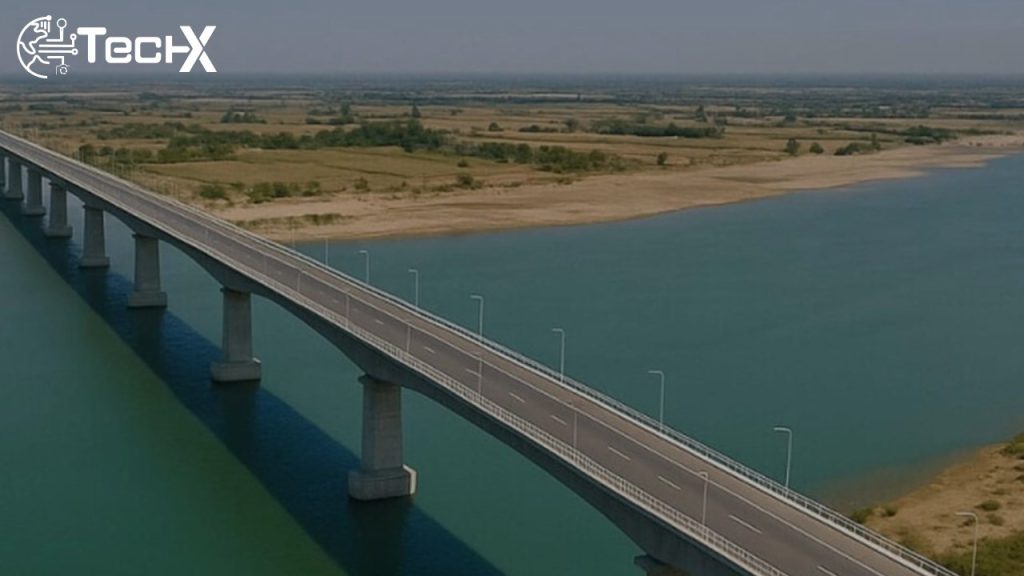
Sindh Chief Minister Murad Ali Shah set a clear goal for the long-delayed Ghotki–Kandhkot bridge, promising completion by June 2027. He shared this hope after reviewing all issues linked to the work now moving forward again. The plan, once stopped by threats to workers in the katcha area, has returned to steady activity under tighter safety and renewed government support meant to keep progress smooth.
Major Redesign After Floods
The bridge was first planned to cover only three kilometres, but the 2022 floods pushed experts to rethink the design. After advice from the Indus River Commission, its length increased to 12.2 kilometres. This change raised costs and expanded goals. In 2023, fresh concession and EPC agreements were signed, finalising the project’s value at Rs. 32 billion, marking a key step toward long-term resilience.
Shah Vows to Prevent Delays
Although some documents show June 2029 as the formal end date, Shah made it clear he wants the bridge ready two years earlier. He directed all departments to avoid delays and promised to inaugurate it himself in 2027. Calling the project a new economic artery for Sindh, he said it would bring jobs, safer travel, and new trade routes, giving the province stronger ties across the river.
Strong Progress Despite Security Challenges
Officials told the PPP Board that construction is improving even with risks in the katcha belt. Piling work has reached fifty-four percent, shafts forty-nine percent, and transoms forty-seven percent. These numbers show slow but solid movement. With better security now in place, teams expect steady speed in the coming months, bringing the large structure closer to becoming a key part of Sindh’s travel network.
Green Light for Plasma Facility
The PPP Board also approved Pakistan’s first plasma fractionation facility under the Sindh Blood Transfusion Authority. This centre will help produce important plasma-based medicines such as albumin, immunoglobulins, and clotting factors. These items support care for cancer, haemophilia, immune disorders, trauma, and major operations. Since these medicines are imported today, the new facility will reduce shortages and create a healthier medical system for patients.
More Investment Expected in Karachi
The new plasma centre will use plasma from the ongoing RBC project made under PPP. Shah said the National Blood Transfusion and Blood Products Policy for 2025–30 has opened doors for foreign investors. Many global firms have already shown interest in Karachi. With improved rules and rising trust, Sindh hopes to begin a new chapter where local health projects attract strong partners and long-term growth.