
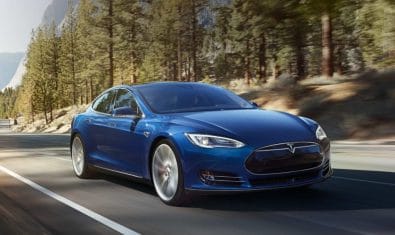
On April 16, Chery Auto became the first electric vehicle (EV) manufacturer to use mass-produced sodium-ion batteries.
At a press presentation, Chery Auto introduced a new iCar brand and stated that CATL’s first sodium-ion battery will power their EV cars.
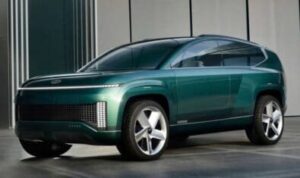

Chery Auto introduced a new iCar
CATL introduced sodium-ion batteries with a 160Wh/kg energy density in July 2021, which is slightly less than LFP batteries but has advantages such as lower manufacturing costs, better low-temperature performance, and safety.
CATL also stated that next-generation sodium-ion batteries will have a capacity of more than 200 Wh/kg and will be mass-produced in 2023. According to reports, more EV manufacturers will likely pursue sodium-ion batteries following Chery.
Lithium prices are expected to rise in 2022, making sodium-ion batteries for EVs a more reasonable option.
CATL stated in November 2022 that its sodium-ion batteries would power the majority of electric vehicles on the global market.
CATL has not disclosed its sodium-ion battery clients or the success of its prototype-to-mass production transition since the 2021 launch ceremony. CATL officially confirmed mass production today, over two years after its launch.
Hyundai Motor Group (HMG) aspires to be one of the top three EV producers by 2030, with electric vehicles sold under the Hyundai Motor, Kia, and Genesis brands.
The business intends to invest more than $18 billion in Hyundai Motor, Kia, and Hyundai MOBIS (Mobility Beyond Integrated Solution) by 2030.
This investment will boost South Korean EV production to 1.51 million units, bringing the global total to 3.64 million.
By 2024, HMG anticipates 31 EV products across its brands, including the Kia EV9 three-row SUV and the Hyundai Ioniq 7.
Last October, HMG revealed two new EV platforms: the eM architecture for passenger vehicles and the “skateboard” eS platform for purpose-built vehicles (PBVs).
The Integrated Modular Architecture (IMA) developed by the organisation will standardise batteries and electric motors for faster and more effective product development on both platforms. The shared components will make software system upgrades easier and less expensive.
To read our blog on “Ghandhara & Chery automobiles are planning $10M funding in PAK,” click here