
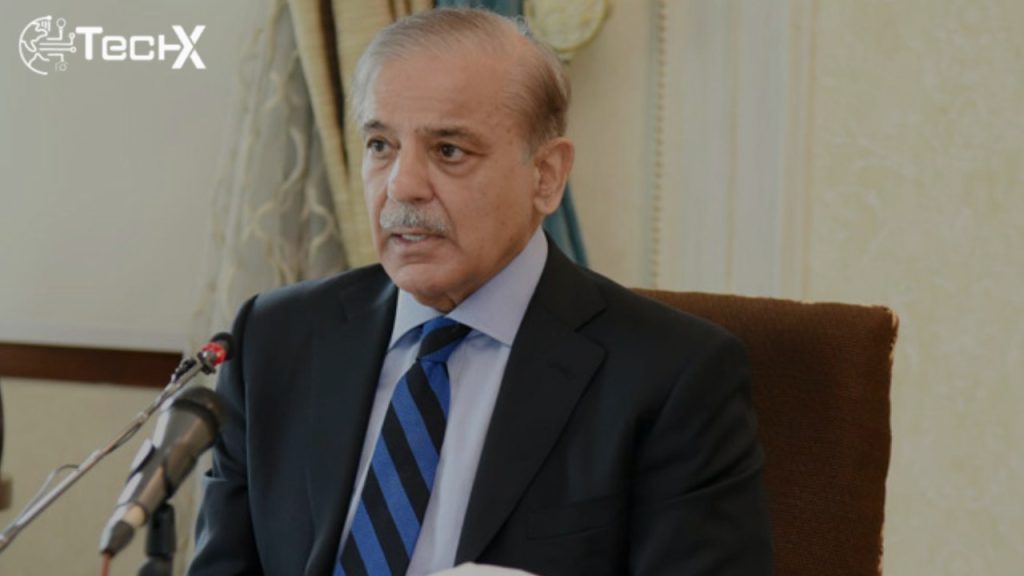
Prime Minister Shehbaz Sharif has highlighted the need to lower electricity prices to boost industrial growth. During a recent Economic Advisory Council meeting, he stated that high energy costs increase production expenses. This makes Pakistani goods less competitive globally. Reducing tariffs would ease financial pressure on businesses, encouraging expansion and higher exports. The move aims to strengthen Pakistan’s position in international markets.
High Energy Costs Hurt Export Competitiveness
The Prime Minister explained that expensive electricity raises overall business costs. This puts local industries at a disadvantage against foreign competitors. Cheaper energy would lower production expenses, making exports more affordable. He stressed that competitive pricing is crucial for increasing Pakistan’s market share abroad. The government is prioritizing energy reforms to support industrial efficiency and sustainable economic growth.
IMF Negotiations to Lower Energy Tariffs
PM Shehbaz appreciated his economic team for successful IMF talks on reducing energy tariffs. The agreement is expected to ease financial strain on industries. Lower electricity prices will enhance productivity and export potential. The government aims to create a favorable environment for businesses through policy reforms. This step is part of broader efforts to stabilize the economy and attract investment.
Also Read: IT Minister Finally Confirms Starlink Launch Date in Pakistan
Focus on Infrastructure and Vocational Training
The meeting also discussed improving transport infrastructure and vocational training. Better logistics will reduce business operational costs, while skilled labor will enhance productivity. The Prime Minister emphasized value-added exports over raw materials to increase profitability. These measures aim to create high-skilled jobs and improve product quality. Strengthening these sectors will support long-term economic growth.
Promoting Value-Added Exports
The government plans to shift focus from raw material exports to value-added goods. This strategy will increase Pakistan’s export earnings and global market presence. Industries such as textiles, IT, and manufacturing will benefit from policy support. PM Shehbaz stressed that value addition is key to economic resilience. The move aligns with global trends favoring finished goods over basic commodities.
Trade Delegation to the United States
A special delegation of Pakistani exporters will visit the US to explore trade opportunities. The visit aims to strengthen partnerships and boost export potential. PM Shehbaz highlighted the importance of expanding market access for Pakistani products. Enhanced trade relations with the US could lead to increased foreign exchange earnings. The delegation will focus on sectors with high growth potential.
Creating a Business-Friendly Environment
The government is committed to improving the ease of doing business in Pakistan. Lower electricity costs, infrastructure upgrades, and skill development are key priorities. PM Shehbaz emphasized that supportive policies will attract investment and spur industrial growth. A stable economic environment is essential for sustainable development. These reforms aim to position Pakistan as a competitive global trade player.
Conclusion
Reducing electricity prices is a crucial step in boosting Pakistan’s exports. Combined with infrastructure and skill development, it will enhance industrial competitiveness. The government’s proactive measures, including US trade talks, reflect a commitment to economic revival. By fostering a business-friendly climate, Pakistan can achieve long-term growth and global market integration. These efforts will drive prosperity and job creation nationwide.