
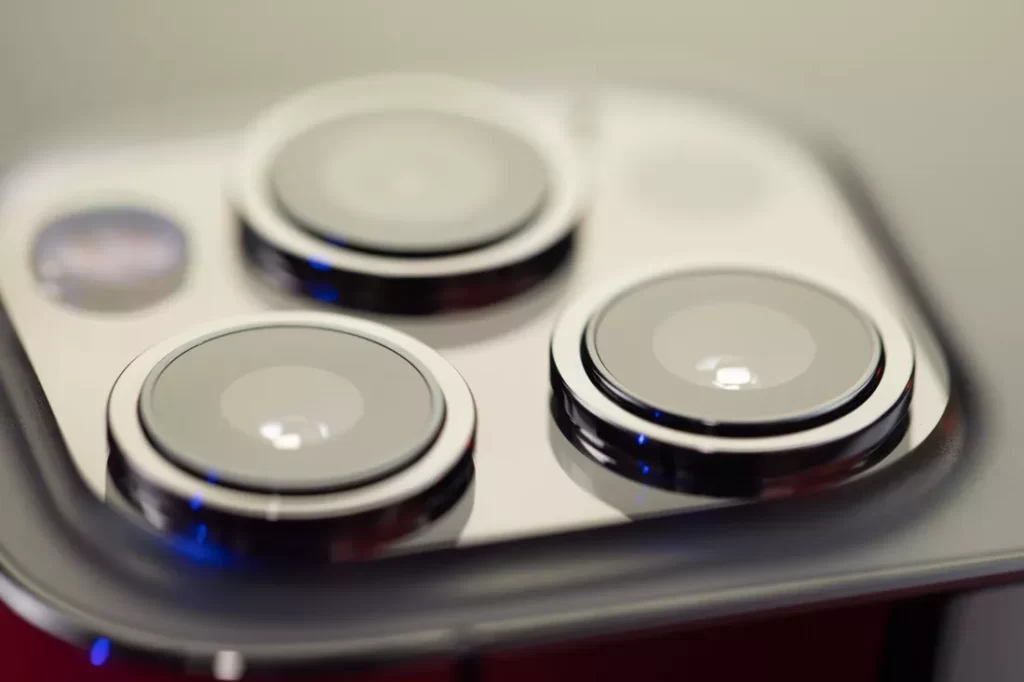
Heape stated in a recent interview with Android Authority that he believes the image sensor is capable of producing images that are on par with those produced by a DSLR and that the pace of advancement in mobile image sensors is greater than that of the rest of the imaging sector.
The computing power found inside cellphones is another benefit.
Heape claims that a Snapdragon’s processing power is ten times more than that of the most advanced Nikon and Canon cameras. Heape asserted that they are capable of performing a great deal more processing even with a smaller lens and image sensor.
Terushi Shimizu, President and CEO of Sony Semiconductor Solutions (SSS), stated earlier this year that he anticipates smartphone image quality will surpass that of a DSLR over the next few years.
Furthermore, top DSLR manufacturers don’t seem to be willing to put up much of a fight. Insiders claimed Nikon is getting ready to leave the DSLR market in order to concentrate on smaller, lighter mirrorless cameras during the summer. Canon said around the end of 2017 that it had finished manufacturing its last flagship DSLR and will now concentrate on mirrorless versions.
Regarding the megapixel battle, Heape argues that the sweet spot is in the 40 to 50 megapixel range and that the industry should concentrate on that goal rather than aiming for sensors with hundreds of megapixels.
Samsung will start mass producing its new 200-megapixel Isocell HP3 image sensor later this year for inclusion in early 2023 flagships. The company’s newest Galaxy S22 Ultra comes with a 108-megapixel rear-facing camera.
Larger sensors and bigger pixels may also be helpful, though the latter are unlikely to go beyond one inch in the near future.
To read our blog on “Sony’s latest zoom lens is a viable rival to Canon and Nikon,” click here