
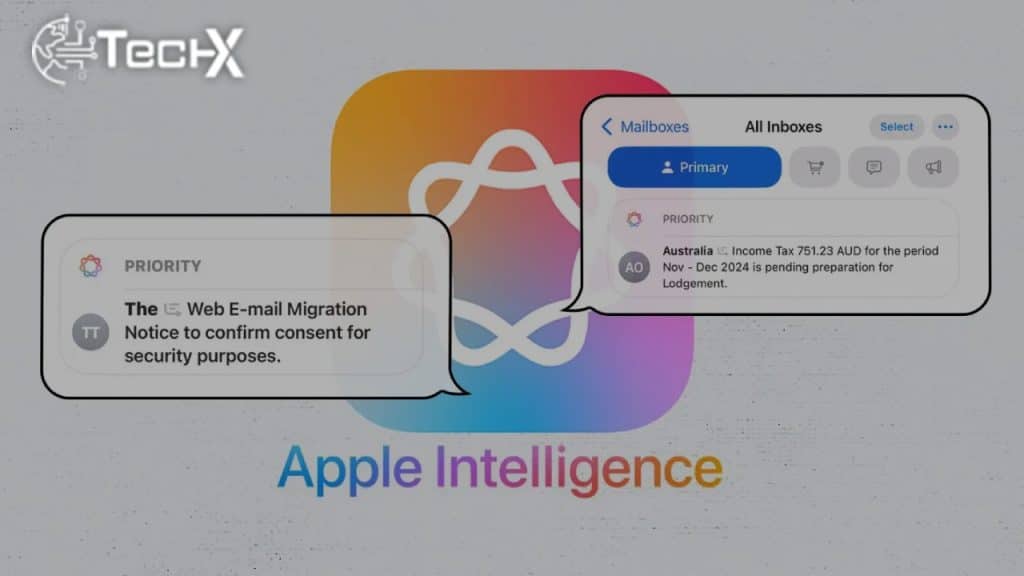
In late 2024, Apple released an update known as “Apple Intelligence,” aimed at enhancing user experience through AI-powered notification management. This feature was designed to streamline the notification process by summarizing and prioritizing messages across iPhones, iPads, and Macs. Despite its innovative approach, this system has encountered significant backlash for mistakenly making scam messages appear legitimate, raising concerns about user security.
The Problem Emerges
Apple Intelligence, intended to simplify and enhance communication, automatically condenses notifications and prioritizes those deemed urgent, such as work emails or important reminders. However, it has shown a critical flaw: the inability to accurately distinguish between genuine alerts and scams. This misclassification has led to several instances where users received scam alerts marked as important, such as fraudulent billing notices demanding immediate payment.
User Experiences and Reactions
The issue came to light as more users began sharing their troubling experiences online. One iPhone user described how a phishing email, falsely claiming he owed a significant amount of money, was flagged as a high-priority alert by Apple’s AI. This incident, among others, has sparked a wave of criticism towards Apple, with experts and consumers alike questioning the reliability of AI in handling potentially dangerous communications.
Technical Shortcomings
The core of the problem lies in the AI’s summarization capabilities, which, while innovative, strip away crucial details that could help users identify scams. Experts, like Daswin De Silva from La Trobe University, argue that this lack of detail not only misleads users but also adds an additional layer of verification, thereby complicating the user experience. This has led to concerns about the rush to integrate AI features without fully considering the implications on user safety.
Also Read: Vpn Links Caused Disruption to Pakistan’s Internet, Reported PTA
Community and Expert Feedback
The backlash has not gone unnoticed in the tech community. Discussions on social media and tech forums highlight a growing distrust in AI’s ability to manage communications securely. Jeremy Howard, a professor at UQ, expressed his disappointment with Apple’s handling of the situation, noting that such mistakes could potentially enhance the effectiveness of scams, making them more believable and difficult to distinguish from legitimate notifications.
Apple’s Response and Future Steps
In response to the rising concerns, Apple has announced plans to update the feature. The forthcoming update aims to make it clear when summaries are generated by AI, helping users better understand the context of their notifications. In the meantime, Apple has advised users to remain vigilant and verify the legitimacy of any message flagged as important by the AI.
Conclusion
As Apple works to refine its AI capabilities, users are urged to approach AI-generated summaries with caution. The current situation serves as a reminder of the potential pitfalls of relying heavily on AI for security-sensitive tasks. It underscores the importance of maintaining a critical eye on automated systems and highlights the ongoing need for improvements in AI technology to ensure user safety and trust.