
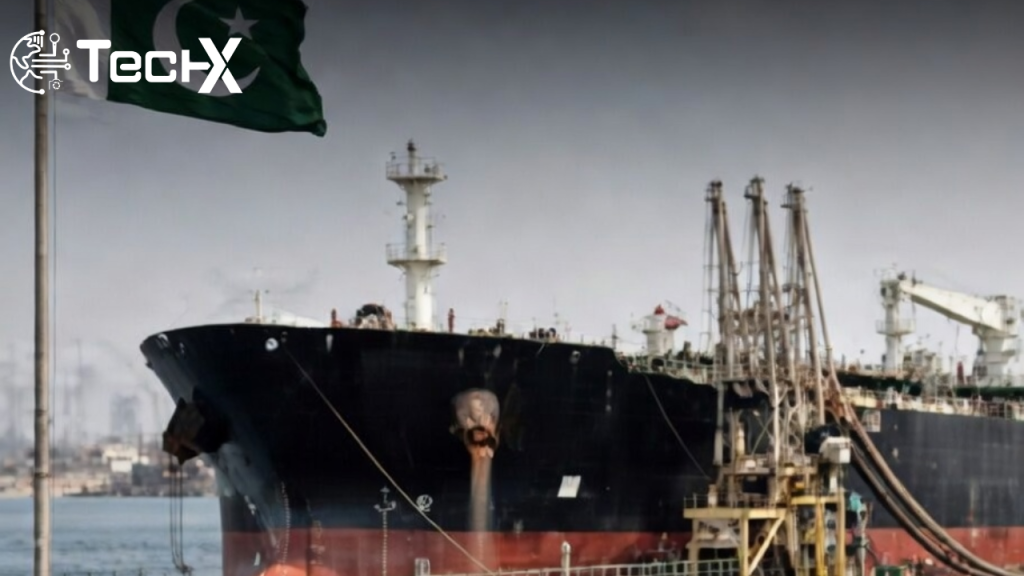
Pakistan has recently received a petrol-laden tanker as part of ongoing efforts to stabilise the country’s fuel supply chain. The shipment comes amid regional disruptions caused by the ongoing conflict in Iran, highlighting the importance of consistent fuel imports to maintain domestic energy needs.
Details of the Newly Arrived Tanker
The tanker MT Petazoli, arriving from Jizan Port, is carrying 38,965 metric tonnes of motor oil. It is scheduled to be berthed at the FOTCO terminal, ensuring safe offloading and timely distribution of petroleum products to refineries and fuel depots across the country.
Other Cargo Operations at the Port
Port authorities also report that two coal vessels and one palm oil ship are waiting at the outer anchorage. Overall, the port handled 10 vessels in the last 24 hours, including both arrivals and departures, reflecting smooth cargo management operations despite heightened regional tensions.
Cargo Statistics and Port Activity
Recent statistics show that the port managed a total of 168,850 metric tonnes of cargo, including 136,936 metric tonnes of imports and 31,914 metric tonnes of exports. Currently, the port hosts two container ships, five bulk cargo vessels, and three petroleum carriers, demonstrating robust port capacity and coordination.
Impact on Fuel Supply and Refineries
Maritime experts and analysts note that the import of large quantities of crude oil and petrol is critical to stabilising Pakistan’s fuel supply chain. Timely arrivals of these tankers support refinery operations and ensure that petroleum products remain available in the market, preventing shortages and price volatility.
Ensuring Energy Security Amid Regional Tensions
Authorities emphasise that all necessary arrangements are in place to handle cargo efficiently and maintain a steady flow of fuel. The continued import of petroleum, combined with effective port management, plays a vital role in securing Pakistan’s energy resources and mitigating the impact of regional conflicts on domestic fuel availability.