
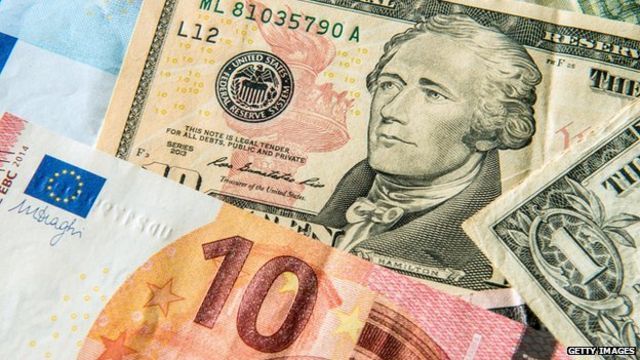
By 10:00 GMT on Tuesday, the euro had fallen to 1 US dollar, its lowest point in more than 20 years.
The parity of the euro against the dollar, the potential for future central bank tightening, worries about the stability of the world economy, and these factors all contributed to a slump in the stock markets.
The US dollar has soared to two-decade highs against a wide range of other currencies in recent weeks, solidifying its status as the favored currency for investors worried about the economy’s prospects.
The local economy has been negatively impacted by rising natural gas prices, and the situation in Ukraine has made the euro particularly susceptible.
When it comes to raising interest rates, the European Central Bank has trailed behind rival institutions.
According to Mizuho analysts, the march towards parity is occurring as “the downturn in the eurozone is priced in,” and the general atmosphere does not seem to be enhancing risk sentiment.
According to SG Futures, this is a “catastrophe” for the European Union since energy imports would be becoming more expensive.
It said on Twitter, “Energy supply is already unaffordable and as we head into winter it’ll likely get even worse.”
The euro’s decline and worries about the expansion of the world economy as a result of China, in particular, enforcing stringent zero-COVID measures to restrict fresh breakouts, have caused the dollar index to rise.
The major driver of the dollar’s rise is arguably the expectation that the Federal Reserve will hike rates more quickly and significantly than rivals.
To read our blog on “Dollar declines by Rs. 2.93 in the interbank market,” click here.