
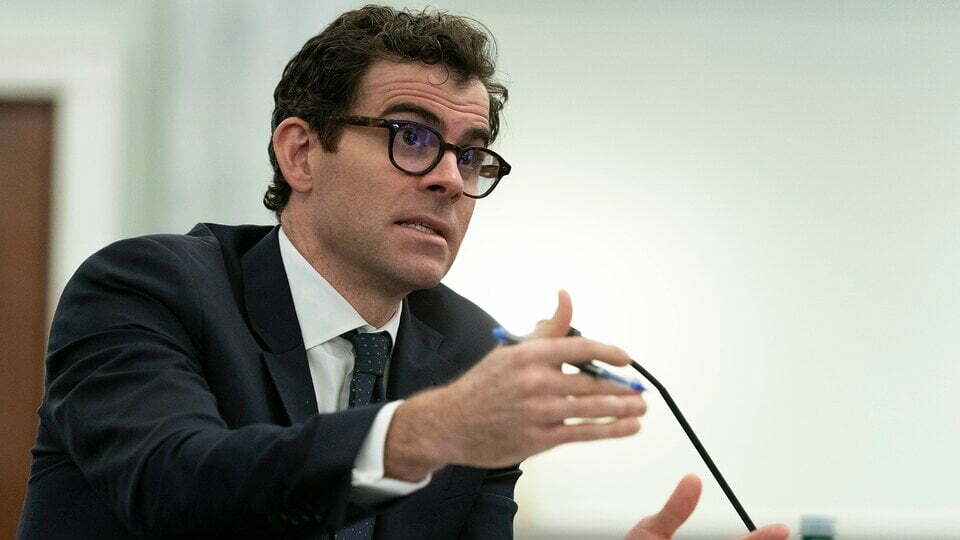
CEO of Instagram, Adam Mosseri, testified in front of Congress for the first time on Wednesday, defending the app’s effects on teenagers and its plans to draw younger children into the fold formally.
Leaked documents from Facebook whistleblower Frances Haugen in September portrayed a picture of a firm that is well aware that it is negatively impacting the mental health of some of its most vulnerable customers.
“When they felt horrible about their bodies, 32% of teen females said Instagram made them feel worse,” researchers claimed in an internal presentation, according to The Wall Street Journal.
Internal research also discovered that among teen Instagram users who stated they had suicidal thoughts, 13% of British users and 6% of American users linked their intention to commit suicide to Instagram.
That research was carried out internally by the business now known as Meta, and it was only made public thanks to a series of eye-opening reports in The Wall Street Journal.
The leaked documents were mentioned several times during Wednesday’s session, with members of the Senate’s consumer protection subcommittee noting them and unsuccessfully requesting access to more of Instagram’s internal conclusions on its effects on children and teenagers.
Disturbing Findings
Subcommittee chair Richard Blumenthal (D-CT) stated in his opening statement that his team conducted another test to investigate dangerous content on Instagram just prior to the hearing and readily discovered algorithmic recommendations serving dangerous information. “Within an hour, all of our recommendations promoted pro anorexia and eating disorder content.”
The office of ranking member Marsha Blackburn created a test account for a minor and found that it defaulted to “public” rather than “private,” as Instagram states accounts for users under the age of 16 do. Instagram, according to Mosseri, failed to enable the safety feature for accounts created on the web.
“This is now the fourth time in the past two years that we have spoken with someone from Meta and I feel like the conversation repeats itself ad nauseam,” Blackburn (R-TN) said during opening statements. “Nothing changes — nothing.”
Mosseri’s reaction to recent damaging reports in the hearing was similar to Meta’s, dismissing some of the results outright – even intuitive ones. In answer to a query on the addictive nature of Instagram — a phenomena that most Instagram users can attest to — Mosseri asserted that “Respectfully, I don’t believe that research suggests that our products are addictive.”
To read our latest blog on uLesson, click here.