
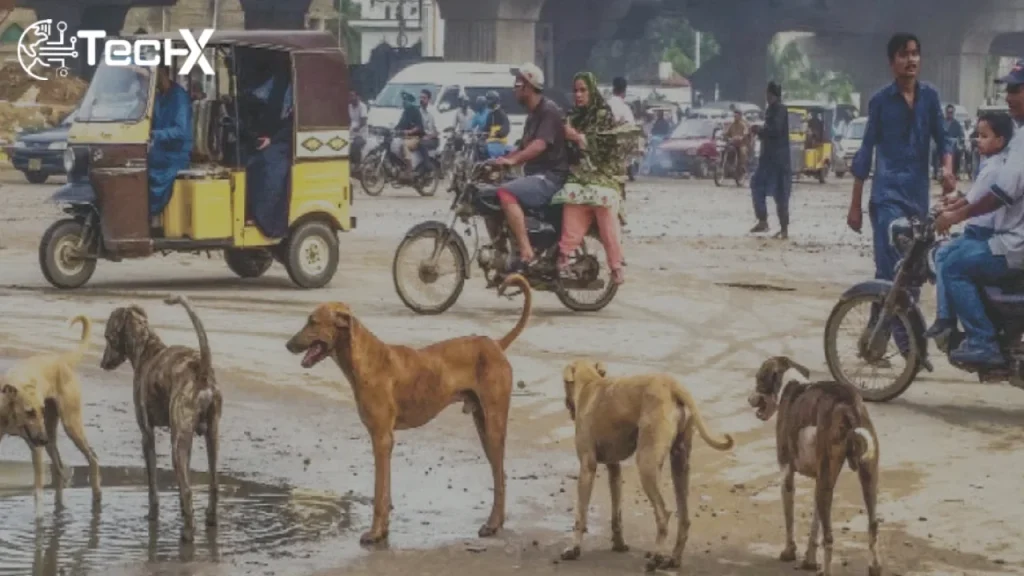
Karachi faced a grave public health crisis in 2025 as dog bite incidents reached alarming levels across the city. Official figures show nearly 29,000 people were bitten by dogs, while 19 victims lost their lives to rabies. These numbers reveal a silent emergency spreading through streets, markets, and homes, forcing citizens to live with daily fear and deep uncertainty during the current year alone today.
Affected Areas Under Constant Threat
Several neighborhoods have seen a sharp rise in stray dog activity, making routine movement risky for residents.
| Area Name | Situation Reported | Risk Level |
|---|---|---|
| Landhi | Frequent stray dog attacks, high complaints | High |
| Korangi | Repeated incidents, rabid dog cases reported | High |
| DHA | Rising stray dog presence in the streets | Medium |
| Mehmoodabad | Regular attacks on pedestrians | High |
| Orangi Town | Large stray population near garbage dumps | High |
| Malir | Packs of dogs roaming residential areas | High |
People say dogs roam in packs, chase pedestrians, and attack without warning, especially during early mornings and evenings, turning ordinary streets into spaces of constant stress, fear, anxiety, and daily survival challenges for families.
Deadly Nature of Rabies Explained
Medical experts warn that rabies remains one of the deadliest diseases once symptoms appear. Early signs may include headache, fever, and anxiety, often ignored by patients. As the virus advances, victims develop hydrophobia and aerophobia, making even water or sound unbearable. Doctors confirm that at this stage, treatment is impossible and death becomes unavoidable despite modern medicine, technology, awareness, and hospital facilities worldwide today.
Garbage Fuels Stray Dog Population
Doctors link the growing stray dog population to Karachi’s worsening waste problem. Open garbage dumps across the city provide easy food and shelter, helping dogs breed rapidly. Without proper waste collection and disposal systems, the city unintentionally supports this increase. Experts believe that controlling garbage is as important as medical treatment in reducing future attacks within communities, streets, neighborhoods, and public spaces citywide today.
Hospitals Struggling With Patient Load
Karachi’s major hospitals are under extreme pressure due to the flood of dog bite patients. Indus Hospital alone reports nearly 150 cases every day. Since January, it has treated over 16,000 victims, with eight rabies deaths. Jinnah Hospital has managed almost 13,000 cases, reporting eleven fatalities, stretching staff, beds, and vaccine supplies beyond capacity, resources, funding, time, energy, morale, and emergency preparedness limits daily now.
How Rabies Spreads in the Body
Dr Muhammad Aftab Gohar explains that rabies spreads when saliva from an infected dog enters the bloodstream through a bite. The virus then travels through nerves to the brain. Symptoms may appear within six weeks or even six months. Once hydrophobia and aerophobia begin, no cure exists anywhere, making early vaccination the only lifesaving option for exposed individuals, families, children, workers, commuters, and vulnerable populations.
WHO Guidelines for Immediate Care
World Health Organization guidelines stress immediate action after any dog bite. The wound must be washed with soap and clean water for at least ten minutes. This simple step greatly reduces infection risk. Doctors then assess severity and give vaccines on scheduled days. Severe cases also require rabies immunoglobulin injected directly into the wound area carefully and correctly under medical supervision without delays, myths, or fear.
Residents Living in Fear
Life for many Karachi residents now feels restricted and unsafe. Women report being chased, workers attacked during commutes, and children terrified while buying groceries. Evening play has become rare as dogs charge at cyclists and young players. Parents rush outside to save screaming children, calling for help, while neighbors watch helplessly as fear controls daily routines across streets, homes, parks, markets, schools, mosques, buses, and workplaces.
Urgent Need for United Action
The growing crisis demands urgent and united action from all sides. Health experts, city authorities, and communities must work together on vaccination, awareness, shelters, and waste control. Feeding stray dogs without planning worsens the issue. Until long term solutions are applied, Karachi remains trapped in danger, where a simple walk outside can become a life threatening gamble for families, elders, youth, visitors, workers, children, and everyone.